
My first view of Azerbaijan came through the window of a plane landing in Baku late in the evening. The city lights stretched along the coast of the Caspian Sea, and from above it looked larger than I had expected. I knew a little about Azerbaijan before arriving, but not enough to feel confident. That uncertainty turned out to be part of the experience.
What I found over the next couple of weeks was a country that felt different from anywhere else I had visited. Some places impressed me immediately. Others took time to appreciate. A few things confused me at first. Looking back, those small challenges are part of what made the trip memorable.
If you’re planning your first visit, this Azerbaijan travel guide is the advice I would share after exploring Baku and traveling beyond the capital. Visit our blog.
Exploring Baku
First Impressions of the City
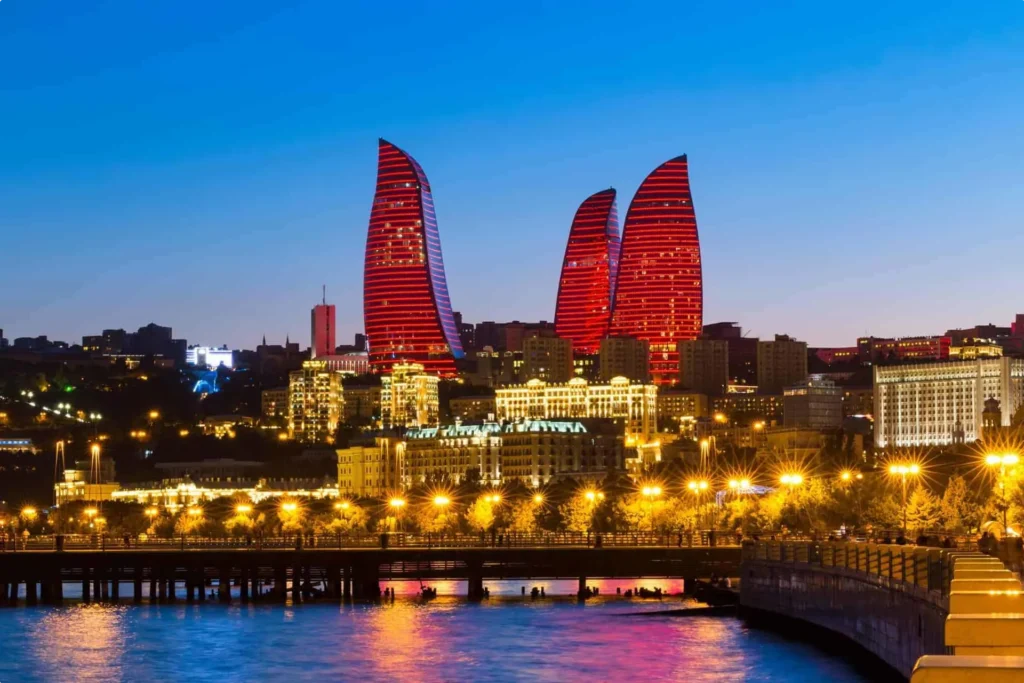
Baku surprised me because it felt like several cities mixed together. One moment I was walking through narrow stone streets that seemed centuries old. Ten minutes later I was standing beside modern buildings and wide roads filled with traffic.
I stayed near the city center in a small hotel. It wasn’t fancy, but the location made everything easier. Most mornings started with a walk through the streets before the city became busy. Early mornings were some of my favorite moments because local life felt more visible. Shopkeepers opened their stores, people carried fresh bread home, and the streets were quieter than later in the day.
The famous old quarter became my regular destination and is one of the notable Azerbaijan Attractions. I visited more than once because it looked different at different times of day. In the evening, the stone walls reflected warm light. During the morning, it felt calmer and less crowded.
Getting Around Baku
Public transportation was easier than I expected. The metro was inexpensive and simple to use once I understood the system. My first mistake happened on the second day when I exited from the wrong station entrance and spent twenty minutes walking in the opposite direction.
Fortunately, people were generally helpful when I asked for directions. Not everyone spoke English, but simple gestures, maps on phones, and patience usually solved the problem.
Taxis were affordable compared to many European cities. I used them occasionally when I was tired after long days of walking. Traffic, however, could be frustrating. A short journey sometimes took much longer than expected.
For anyone looking for a Baku travel guide for tourists, learning the metro system early can save both time and money.
Food and Everyday Life
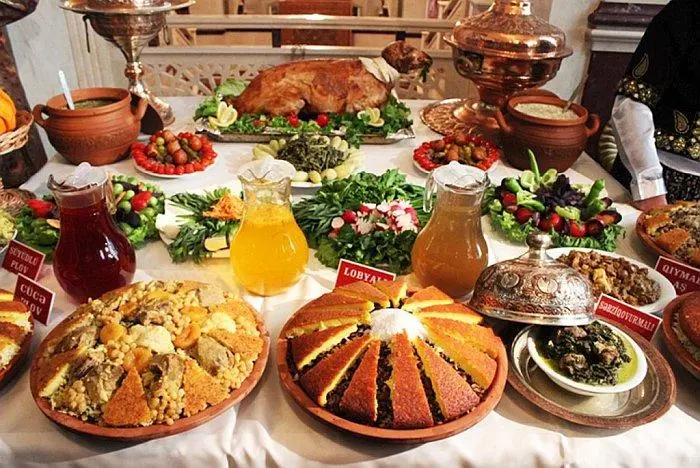
One of the best parts of Baku was the food. Azerbaijan Food became an important part of my experience. I spent less time searching for famous restaurants and more time eating where local families seemed to gather.
Fresh bread appeared almost everywhere. Grilled meat dishes were common, filling, and reasonably priced. I also enjoyed local soups, especially on cooler evenings.
Not every meal was memorable. One restaurant near a major tourist area charged more than expected and served food that felt rushed and ordinary. After that, I started walking a few streets away from popular attractions before choosing where to eat.
Tea seemed to play an important role in daily life. Many conversations stretched over long cups of tea. Even as a visitor, I often felt encouraged to slow down rather than rush between attractions.
Neighborhoods Beyond the Tourist Areas
Some of my favorite hours in Baku happened outside the places listed in travel guides.
I enjoyed wandering through residential neighborhoods where children played in courtyards and older residents sat outside talking. These areas were not filled with landmarks, yet they offered a clearer picture of daily life.
One afternoon I got completely lost while trying to find a local bakery someone had recommended. The bakery never appeared, but I ended up discovering a small park where families gathered after work. That unexpected detour became a more memorable experience than the bakery would probably have been.
Destinations Beyond Baku
Many of these destinations are considered among the best places to visit in Azerbaijan. Useful resource.
Gobustan and the Mud Volcanoes
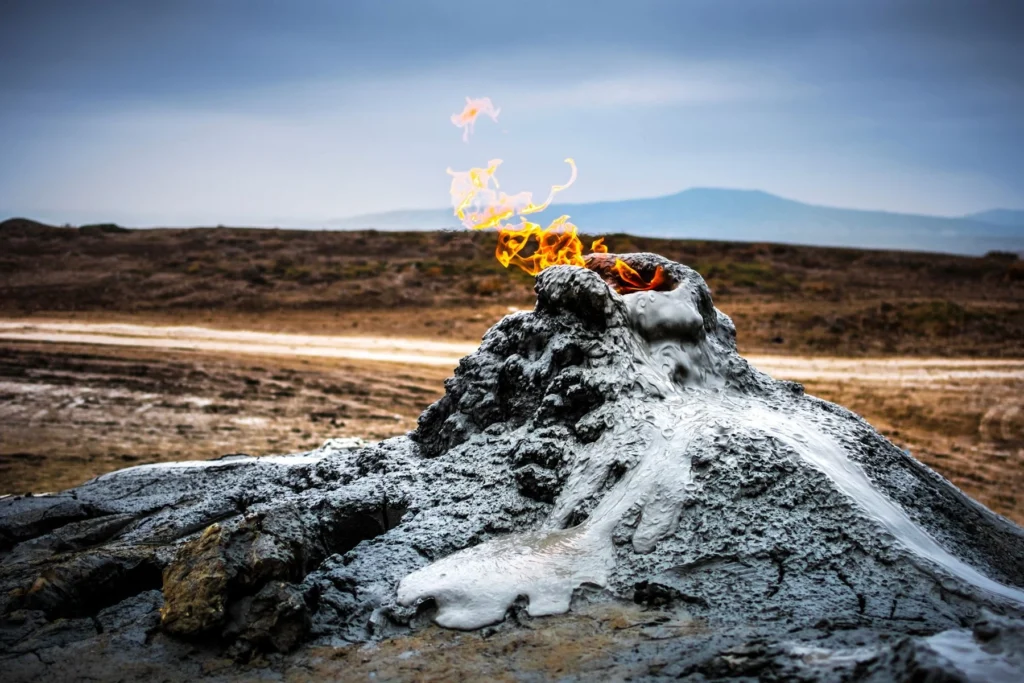
A short journey from Baku took me to Gobustan, an area known for ancient rock carvings and unusual landscapes.
The rock art was interesting, but what stayed with me most was the environment itself. The landscape felt open, dry, and almost otherworldly.
The nearby mud volcanoes were worth visiting, though reaching them was less comfortable than I expected. The road became rough in places, and the trip felt longer than advertised. Still, standing among bubbling pools of mud was something I had never experienced before.
Sheki
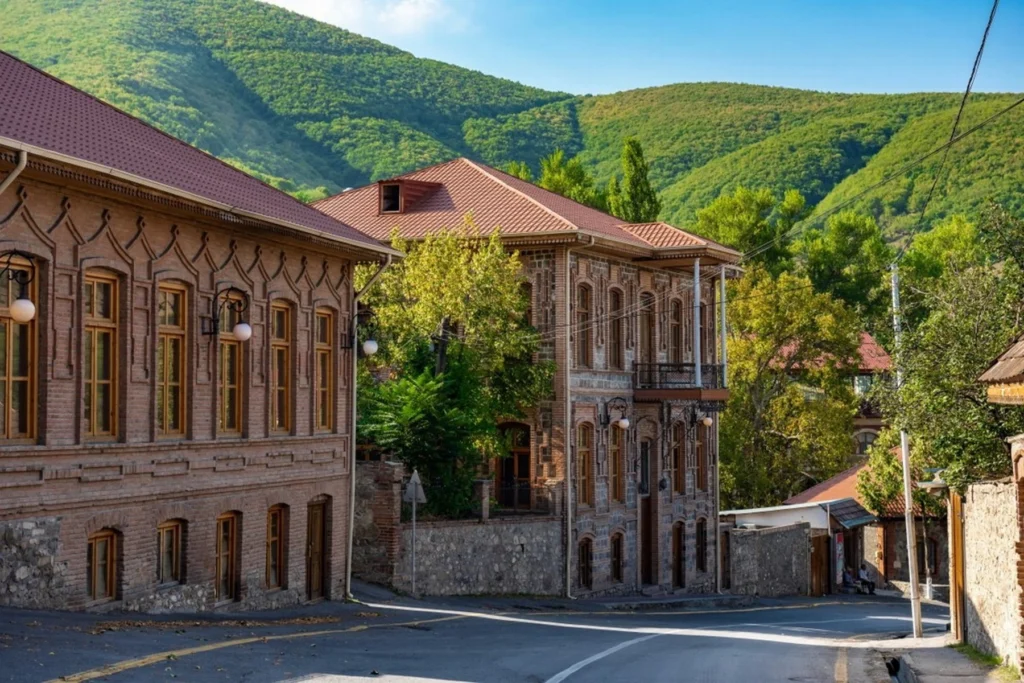
If I had to recommend one destination outside Baku, it would probably be Sheki.
The journey there took several hours, but the change in scenery made the trip worthwhile. Mountains gradually replaced the flatter landscapes around the capital.
Sheki moved at a different pace. The streets felt quieter, and the atmosphere was more relaxed. I spent time exploring historic buildings, wandering through local markets, and simply walking without a fixed plan.
One rainy afternoon interrupted my schedule completely. I had intended to visit several sites but ended up sitting in a small café watching people hurry through the rain. Strangely, that unplanned break became one of my strongest memories from the town.
Mountain Villages and Rural Roads
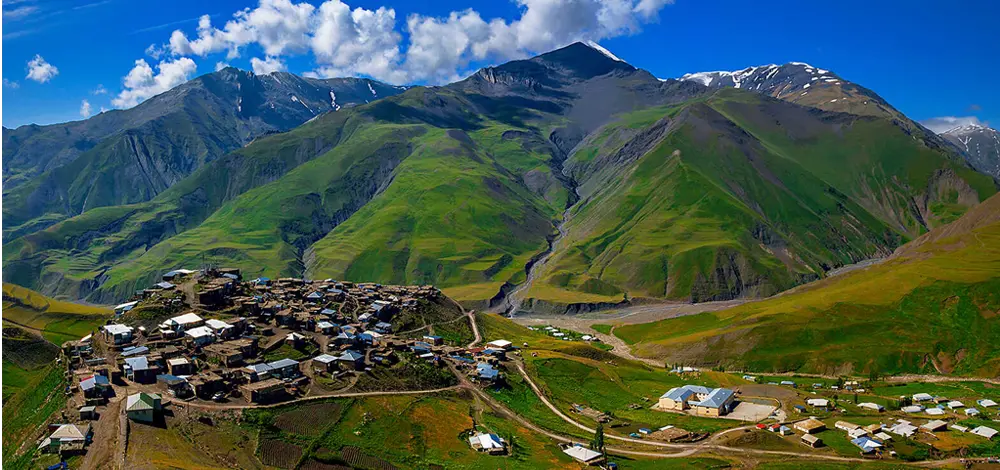
I also visited smaller settlements in the mountain regions.
These places required more effort to reach. Transport connections were less frequent, and travel plans sometimes depended on weather and local schedules rather than strict timetables.
The scenery was rewarding, but I think some travelers arrive expecting dramatic experiences every minute. In reality, much of the appeal comes from simple moments: quiet roads, conversations with locals, and views that slowly reveal themselves during long drives.
Not every village felt equally memorable. Some stops were pleasant but brief. Others stayed in my mind because of a particular interaction or landscape.
Nature Near the Mountains
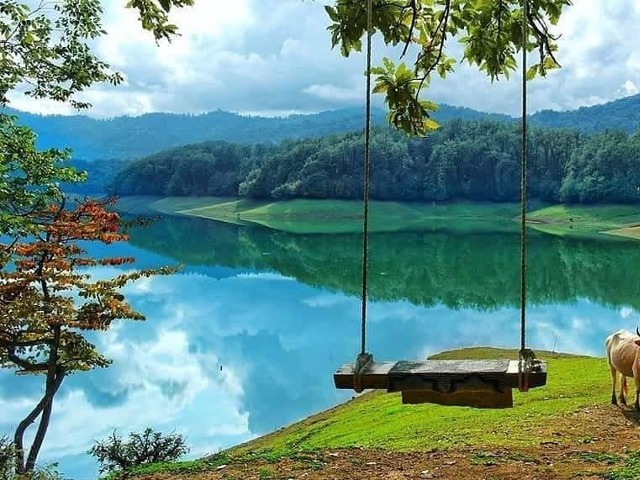
The mountain areas offered cooler temperatures and a welcome break from city life.
Walking trails varied in quality. Some were easy to follow, while others were less clear than I expected. At one point I followed the wrong path and added nearly an hour to a short hike.
The mistake was annoying at first, but it led to views I would not have seen otherwise. Travel often works that way.
Practical Travel Tips
Accommodation
I found accommodation costs reasonable. If you’re researching where to stay in Baku Azerbaijan, prices varied greatly depending on location. Staying slightly outside the busiest areas saved money without creating major inconvenience.
In smaller towns, guesthouses often provided a more personal experience than larger Azerbaijan Hotels. Hosts sometimes shared useful local advice that I could not find online.
Budgeting
Azerbaijan was not the cheapest destination I have visited, but it was manageable.
Transportation, local food, and everyday expenses were generally affordable. Tourist-focused activities and certain restaurants increased costs quickly, so balancing both helped keep spending under control.
Communication
Learning a few local greetings helped more than I expected.
English was common in some tourist areas, especially among younger people, but less common elsewhere. Translation apps proved useful, particularly during bus journeys and in smaller towns.
Planning and Flexibility
One lesson I learned was not to over-plan.
Some destinations took longer to reach than expected. Weather occasionally changed plans. Transport schedules sometimes felt flexible rather than exact.
Leaving extra time between activities reduced stress and allowed room for unexpected discoveries. Learn more.
Conclusion
Azerbaijan gave me a travel experience that felt genuine rather than carefully packaged. Baku offered energy, history, and everyday city life all at once. Beyond the capital, mountain towns, rural roads, and historic sites revealed a different side of the country.
Not everything went smoothly. I missed buses, got lost, misunderstood directions, and occasionally chose the wrong restaurant. Yet those moments became part of the story.
For first-time visitors, my advice is simple: spend time in Baku, but don’t stop there. Some of the most rewarding experiences happen after leaving the capital behind and allowing the journey to unfold at its own pace. Related article. .
FAQ
How many days should I spend in Azerbaijan?
I would suggest at least seven to ten days. That gives enough time for Baku and a few destinations outside the city.
Is Azerbaijan expensive for travelers?
It can be moderate in cost. Local food and transportation are usually affordable, while tourist-oriented services can be more expensive.
Do I need a car to explore beyond Baku?
Not necessarily. Buses, trains, and taxis can reach many destinations, though a car offers more flexibility in rural areas.
What was the most memorable destination outside Baku?
For me, Sheki was the standout destination because of its atmosphere, scenery, and slower pace of life.
Is English widely spoken in Azerbaijan?
English is fairly common in some tourist areas, but less common in smaller towns. Basic local phrases and a translation app are very useful.