
Singapore defies easy categorization. It is not just a city it is an entire country packed into 733 square kilometers, and it runs like a well-oiled machine. Clean streets, efficient trains, world-class food, and futuristic architecture all coexist in a place that genuinely earns its hype.
Most visitors fly in expecting a polished stopover. They leave wishing they had stayed longer.
What sets Singapore apart from other Asian destinations is how effortlessly it blends tradition with innovation. You can eat at a hawker centre for $3, then walk into a rooftop bar with a skyline that makes your jaw drop. That contrast never gets old. For a deeper look at what awaits, this complete resource covers the city from every angle.
What Makes Singapore So Famous?
A City Built for the Future
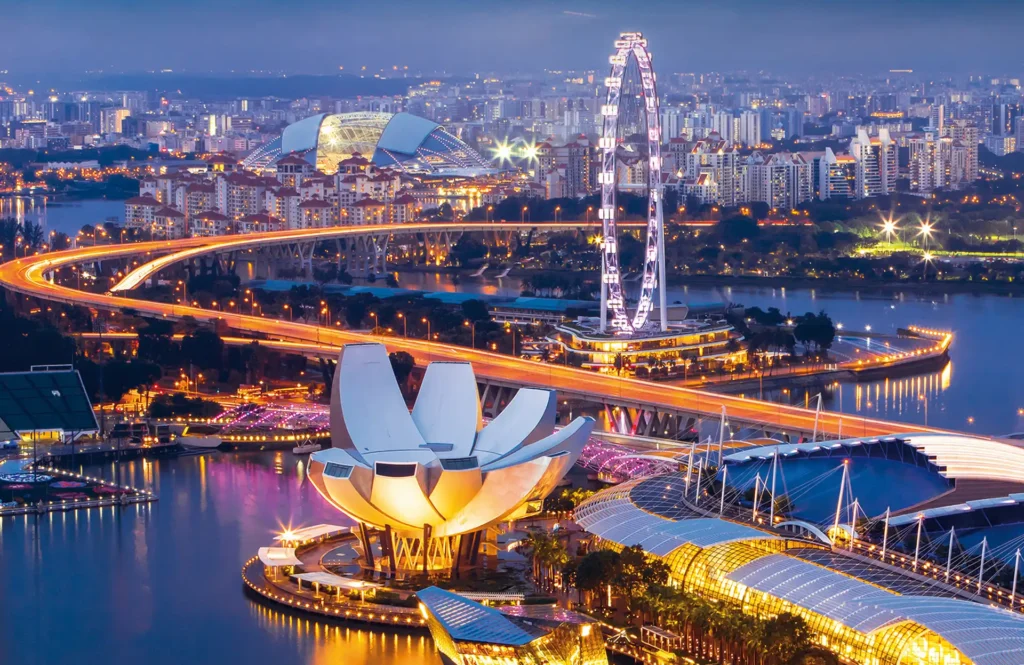
Marina Bay’s skyline alone justifies a trip. The city invests heavily in green architecture, smart urban planning, and public spaces that actually work. Supertrees, floating gardens, and glass-domed conservatories Singapore builds things that look like they belong in a science fiction film.
Cleanliness That Surprises You
Singapore sets a standard that most cities cannot match. Streets stay spotless, public bathrooms are maintained, and littering carries real fines. First-time visitors almost always comment on it. After a week, you start wishing your home city worked the same way.
A Food Culture That Steals the Show
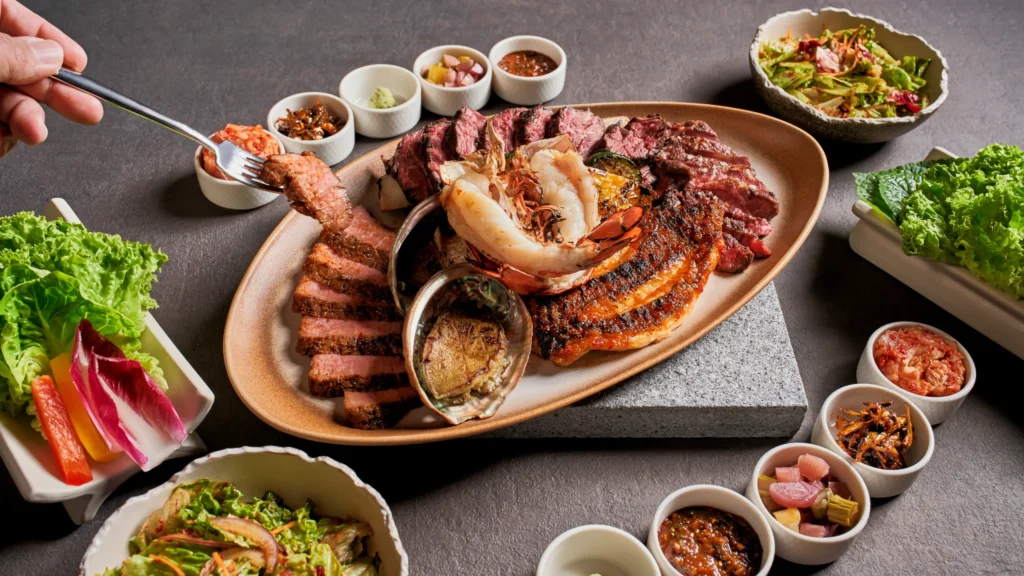
Singaporean food deserves its own article. Hawker centres serve extraordinary meals for a few dollars. Chicken rice, laksa, char kway teow, and chilli crab all fight for the title of national dish. The city holds multiple Michelin stars, including affordable hawker stalls that made history as the world’s first street food to earn the recognition.
Eating your way through Singapore ranks among the best things to do in Singapore, full stop.
Top Areas to Explore
Marina Bay Sands
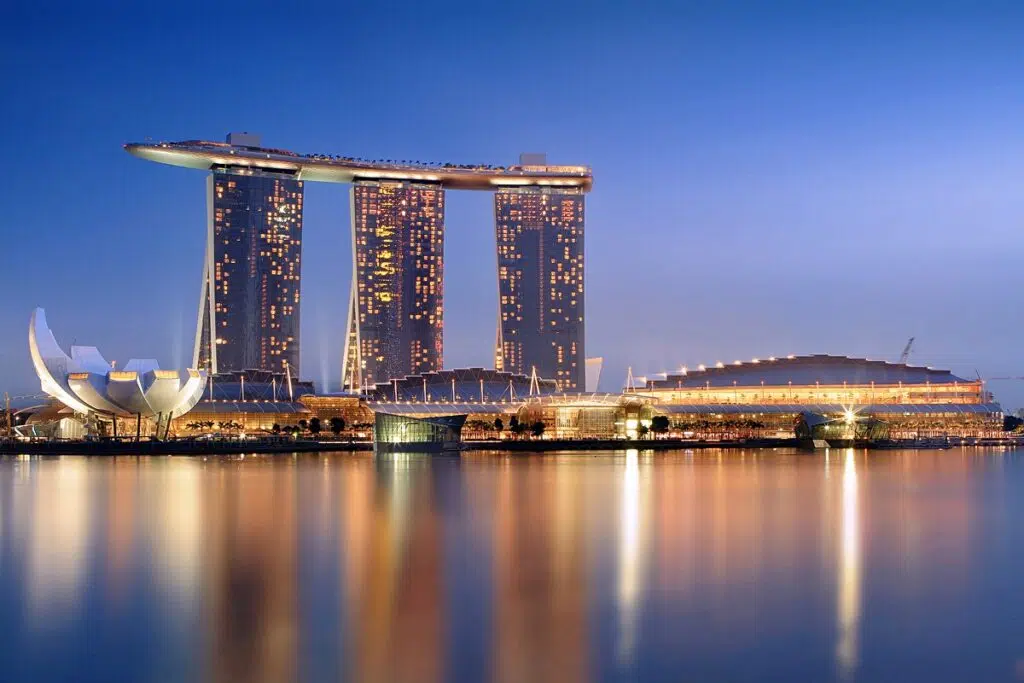
This iconic hotel with its rooftop infinity pool dominates every Singapore postcard. Even if you do not stay here, visit the SkyPark observation deck for panoramic views of the city. At night, the light show over Marina Bay runs free and draws crowds every evening. Arrive 15 minutes early for a good spot.
When searching for the best hotels in Singapore, Marina Bay Sands consistently tops the list not just for its famous infinity pool, but for its central location and world-class amenities. If it sits outside your budget, several excellent mid-range options nearby offer stunning bay views at a fraction of the price.
Gardens by the Bay
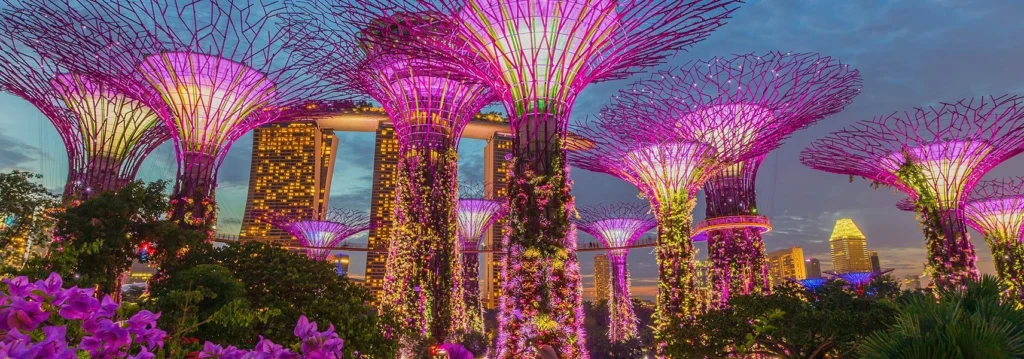
Walk through the Supertree Grove at dusk and you will understand why this place appears on every travel shortlist. The vertical garden structures glow during the nightly light show, and the two glass conservatories the Flower Dome and Cloud Forest house plants and waterfalls that genuinely surprise you inside.
Budget around 3 hours here. The Cloud Forest alone can hold your attention for over an hour.
Sentosa Island
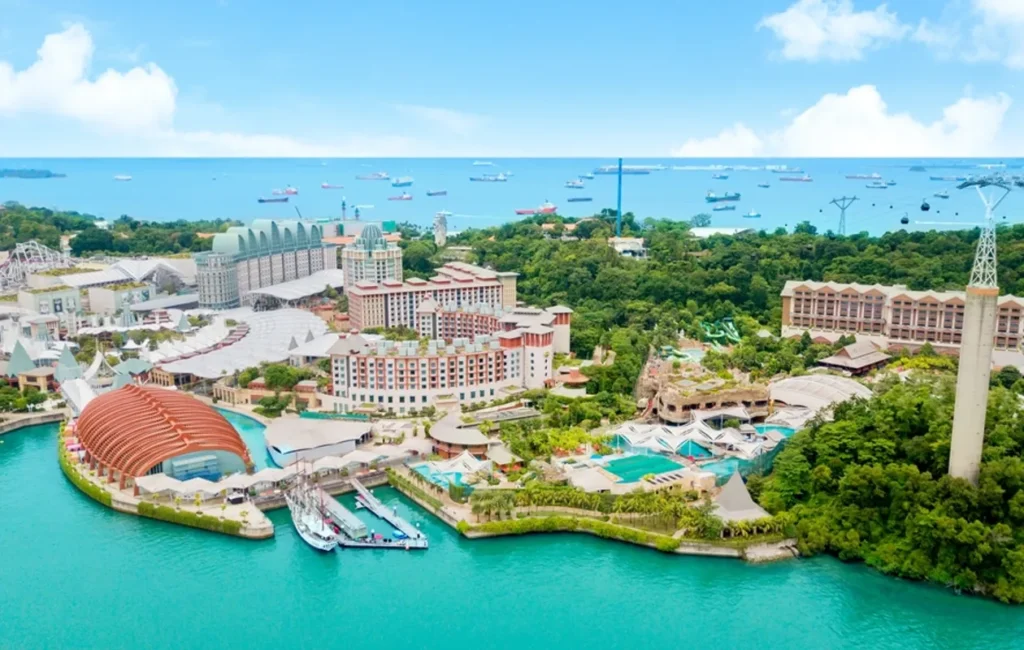
Sentosa works brilliantly for families and anyone who wants a beach day mixed with entertainment. Universal Studios Singapore sits here, along with S.E.A. Aquarium, Adventure Cove Waterpark, and quieter beaches like Palawan and Siloso. It feels like a self-contained resort island, but you can reach it by cable car, monorail, or even on foot.
Experiences Worth Planning Around
Night Safari : The world’s first nocturnal wildlife park lets you move through the jungle after dark, watching animals roam freely. The tram ride handles the main loop, but walks the trails afterward for a closer look. Genuinely unlike anything else.
Universal Studios Singapore: Rides, shows, themed zones, and enough to fill a full day. Families with kids will love it. Lines move reasonably fast on weekdays.
Rooftop Dining: CÉ LA VI atop Marina Bay Sands and 1-Altitude in the CBD both offer stunning skyline views with good food. Book in advance, especially for weekends.
Clarke Quay at Night: Singapore’s riverside entertainment district fills with locals and tourists after dark. Bar hop, eat late, or just walk along the river. It carries more energy than it looks like it should.
Film and Media Production: Singapore has quietly grown into Southeast Asia’s creative hub. Casting in Singapore attracts regional talent for international advertising campaigns, film productions, and digital content. If you work in media or entertainment, the scene here is worth exploring.
Getting Around and Daily Life
Singapore’s MRT (Mass Rapid Transit) system connects almost every major attraction efficiently and cheaply. A single trip rarely costs more than $2. Grab a Singapore Tourist Pass for unlimited rides over 1, 2, or 3 days if you plan to move around frequently.
The city runs on digital payments. Contactless cards and mobile wallets work everywhere. Cash still works, but you rarely need it.
Pick up a local SIM card at the airport immediately after landing. Tourist SIMs with data start around $15 and save you from roaming fees.
When to Go
Knowing the best time to travel to Singapore makes a real difference in how much you enjoy the trip. Singapore sits near the equator, so expect heat and humidity year-round. Temperatures hover between 25°C and 32°C throughout the year. Rain falls often but usually passes quickly.
The driest months run from February to April, making that the most comfortable stretch for outdoor exploring. Chinese New Year (January or February) brings incredible street celebrations worth planning around. The Formula 1 night race in September transforms the city centre into a spectacular event.
Avoid school holiday periods June and December if crowds bother you. For more destination inspiration before you finalize your dates, check this guide on UAE travel if you are considering a multi-destination trip through the region.
Flying to Singapore: What to Expect
If you are traveling from the United States, the New York to Singapore flight time runs approximately 18 to 19 hours on a direct service, making it one of the longer long-haul routes in the world. Singapore Airlines operates this route and consistently ranks among the top carriers globally.
Travelers curious about Singapore Airlines Suites pricing should know that the flagship Suites class available on select A380 routes represents one of the most luxurious ways to fly anywhere in the world. Prices vary by season and booking window, but expect a significant premium over business class.
For those who want comfort without the top-tier price tag, reading a Singapore premium economy review before booking pays off. The airline’s premium economy product offers wider seats, dedicated service, and noticeably better meals compared to standard economy, a sensible middle ground for long-haul travelers who want to arrive feeling rested.
What It Actually Costs
Budget traveler: $80 to $120 per day covering hawker meals, hostel dorms, MRT travel, and free attractions like Gardens by the Bay’s outdoor areas.
Mid-range traveler: $180 to $280 per day covering a 3-star hotel, casual restaurant meals, and paid attractions like Universal Studios.
Luxury traveler: $400 and above per day covering Marina Bay Sands, fine dining, and private experiences.
Singapore costs more than its Southeast Asian neighbours, but it consistently delivers value. You pay for reliability, quality, and an experience that rarely disappoints. For broader travel planning advice across the region, read more here.
Essential Things to Know Before You Land
Currency: Singapore Dollar (SGD). ATMs are widely available throughout the city.
Language: English is one of the official languages. Getting around presents zero language barriers.
Safety: Singapore ranks among the safest cities in the world. Solo travelers and families both move around confidently at any hour.
Rules: Chewing gum sales are banned. Jaywalking carries fines. Follow the local norms and you will have no issues.
Tipping: Not expected and not customary. Service charges often appear on restaurant bills already.
For a personal take on navigating the city as an independent traveler, this firsthand account offers a genuinely useful on-the-ground perspective.
Final Verdict
Singapore earns its reputation. It suits first-time Asia travelers who want comfort and ease, families looking for variety, solo travelers who prioritize safety, and food lovers who could happily eat their way through a week without running out of options.
The city is not cheap, but it delivers on almost every promise it makes. The food alone justifies the trip. The skyline, the Gardens, the Night Safari these are experiences you remember clearly, not vaguely
FAQs
Is Singapore expensive to visit?
More expensive than most of Southeast Asia, but hawker food, free attractions, and cheap public transport help keep daily costs manageable.
How many days are enough for Singapore?
Four to five days covers the major highlights comfortably. A week lets you slow down and explore neighbourhoods properly.
What is the best time to visit Singapore?
February to April offers the driest weather. Chinese New Year and the F1 race in September add extra energy to the city.
Is Singapore safe for tourists?
One of the safest cities in Asia. Low crime, well-lit streets, and a reliable police presence make it comfortable for all types of travelers.
Is Sentosa worth visiting?
Absolutely, especially for families or Universal Studios fans. Even without the theme parks, the beaches and waterfront areas justify a half-day trip..