
Switzerland does not try to impress you, it simply does. The moment you step off the train and look up at a ridge of snow-capped peaks glowing in the morning light, you understand why people keep coming back.
This small country packs more beauty per square mile than almost anywhere on Earth. Alpine meadows, turquoise lakes, centuries-old village squares, and rail lines that climb through clouds Switzerland offers it all in one tightly stitched package.
Whether you are researching the best time to travel to Switzerland or hunting down the best places to travel in Switzerland, one thing is clear: this country rewards every type of traveler. For a broader overview before you plan, check this guide from fellow travelers who have done the groundwork for you.
Top Places You Should Visit in Switzerland
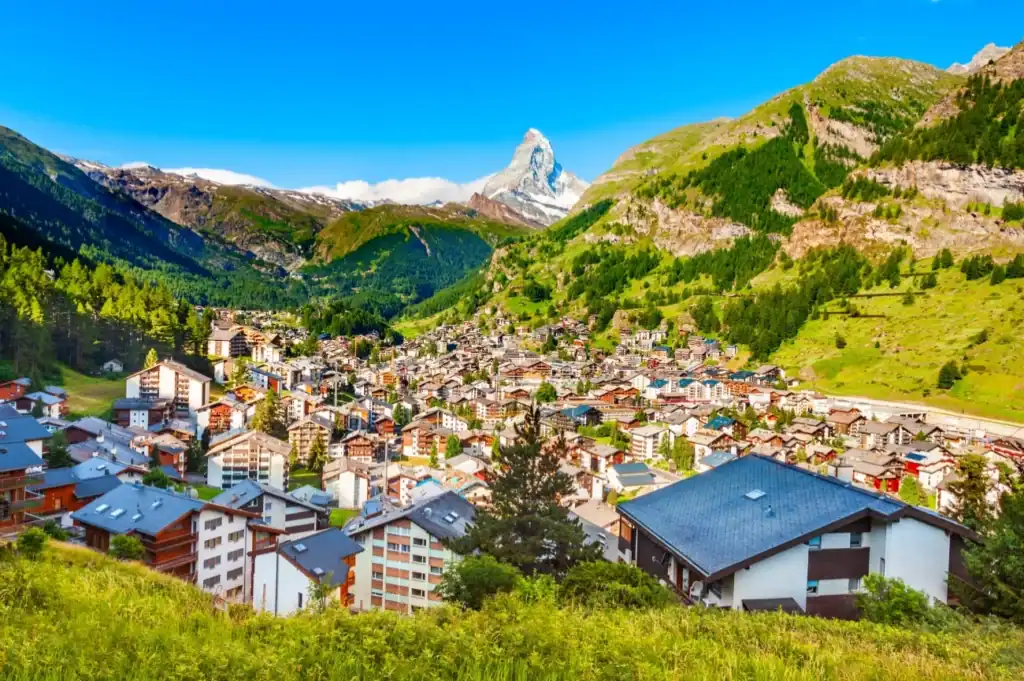
Zermatt
Home of the Famous Matterhorn
Zermatt sits at 1,620 metres and bans most motor vehicles, making it one of the quietest mountain towns you will ever walk through. The Matterhorn, that sharp, iconic pyramid of rock, stands at the end of the main street like a painting that never moves.
Take the Gornergrat railway up to 3,089 metres for a panorama of 29 peaks over 4,000 metres tall. Hikers get hundreds of trail options, from gentle meadow loops to demanding ridgeline crossings. Photographers should plan for golden hour, when the Matterhorn turns deep amber above a still lake reflection.
Interlaken
Switzerland’s Adventure Capital
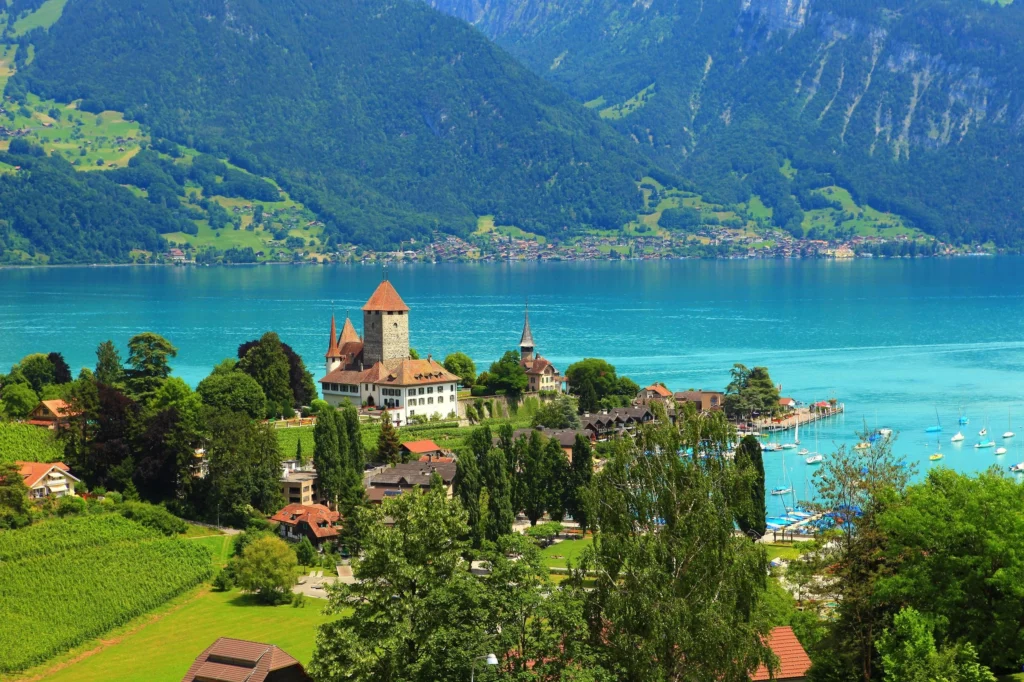
The Interlaken Switzerland travel guide experience begins the moment your train rolls in between two shimmering lakes with mountains rising on every side. This town runs on adrenaline. Paragliding over green valleys, white-water rafting, canyon jumping, and skydiving all operate from here.
If adventure is not your style, take a boat cruise on Lake Brienz to reach turquoise waters and waterfalls near Giessbach. The surrounding Bernese Oberland countryside rewards even the most casual walker with scenery that feels almost too perfect to be real.
Lucerne
Where History Meets Natural Beauty
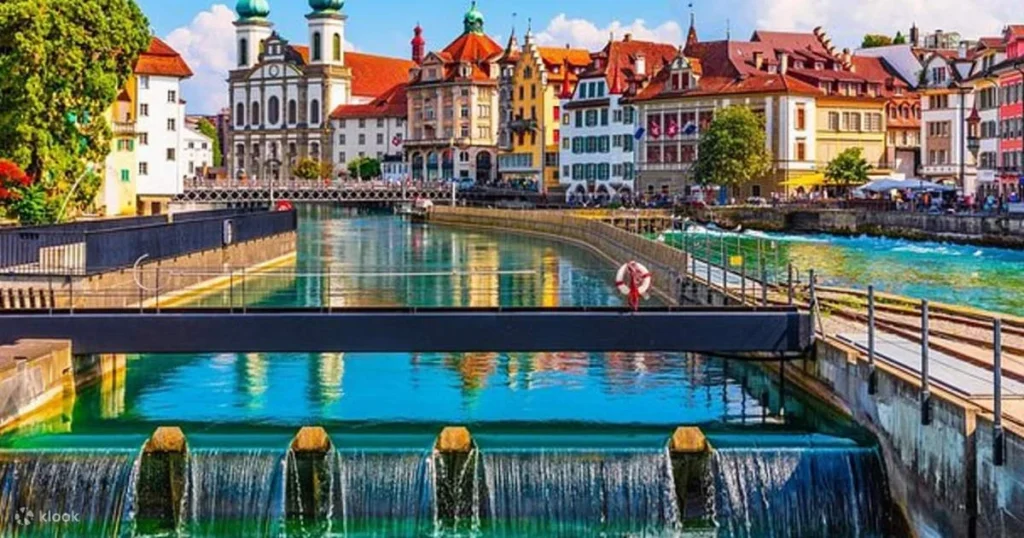
Lucerne earns its reputation as one of Switzerland’s most photogenic travel spots thanks to the Chapel Bridge, a 14th-century wooden covered bridge spanning the Reuss River. Walk across it in the morning before tour groups arrive, and you will have it nearly to yourself.
The Old Town clusters tightly around the waterfront with painted facades, clock towers, and cobbled lanes that beg exploration without a map. Lake Lucerne stretches south toward mountains you can reach by historic cogwheel trains up Mount Pilatus or Mount Rigi.
Jungfrau Region
A Journey Above the Clouds
The Jungfraujoch sits at 3,454 metres and delivers one of the most dramatic landscapes accessible by public transport anywhere in the world. The cogwheel train climbs through the Eiger’s north face before emerging into a world of glaciers and Arctic-blue skies.
Up top, you can walk on the Aletsch Glacier, visit an ice palace carved inside the mountain, or simply stand at the terrace and let the silence sink in. Snow activities run year-round here, even in August.
The Grindelwald Switzerland travel guide experience fits perfectly alongside a Jungfrau trip. The village of Grindelwald sits just below, offering cozy mountain lodges, easy valley hikes, and some of the most dramatic views of the Eiger’s north face from ground level. Read more here about planning mountain excursions across the Swiss Alps.
Budget tip: Buy the Good Morning ticket. The first trains up Jungfraujoch are significantly cheaper, and the light at that hour is spectacular for photos.
Zurich
Modern Life with Swiss Charm
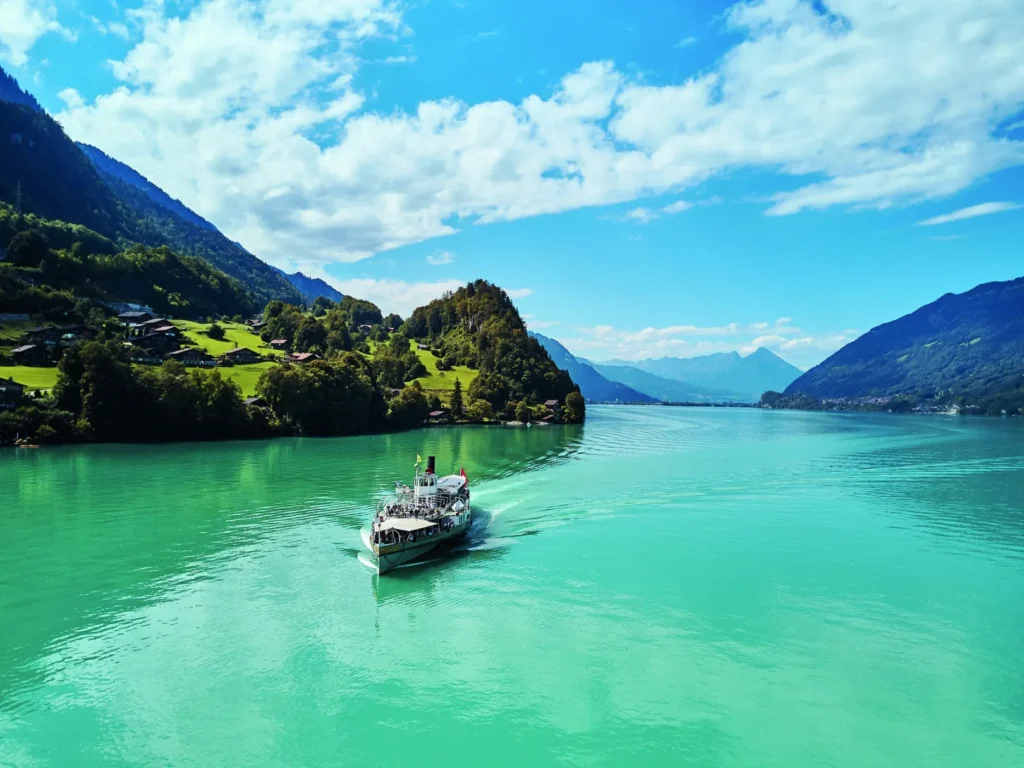
The Zurich Switzerland travel guide starts at the main station, one of Europe’s busiest and most beautiful rail hubs. From there, the Old Town hugs both banks of the Limmat River with medieval guild halls, boutique cafés, and independent galleries tucked between luxury watchmakers and chocolate shops.
The food scene ranges from market sausages eaten standing up to Michelin-starred kitchens serving reinvented Swiss classics. For culture, the Kunsthaus Zurich houses an exceptional collection of modern and contemporary art that surprises most first-time visitors.
Basel
Art, Architecture, and Border Culture
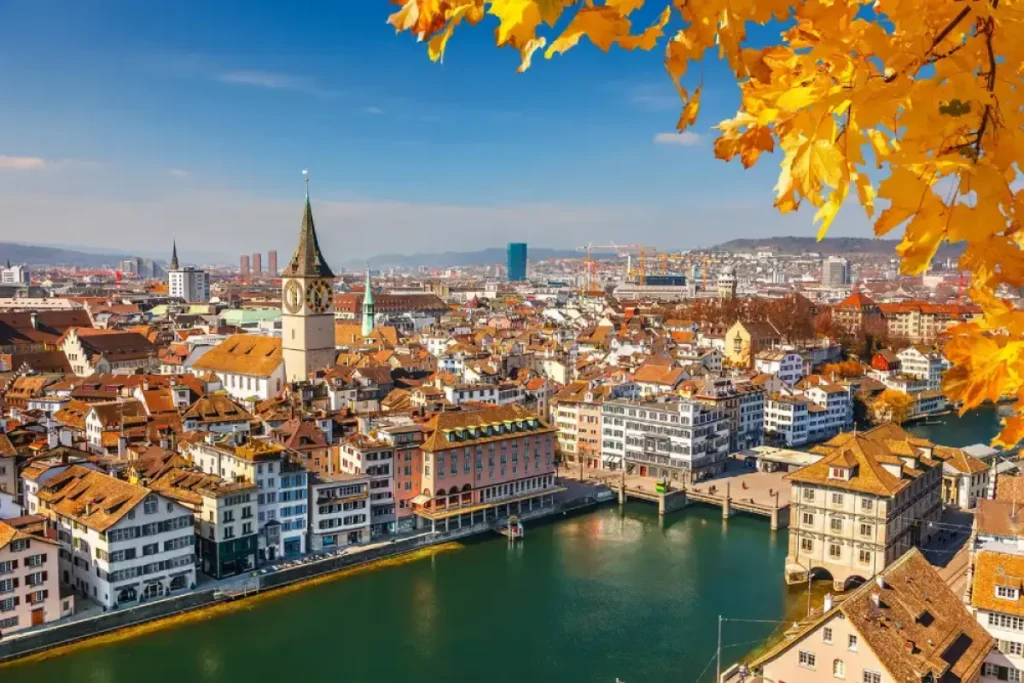
No Switzerland trip feels complete without at least a day in Basel. Sitting at the point where Switzerland, Germany, and France meet, Basel brings a cosmopolitan energy that stands apart from the Alpine towns further south.
The Basel Switzerland travel guide highlights Art Basel the world’s most prestigious art fair but the city rewards visitors year-round. The old Rhine bridge, the colorful Town Hall facade, and the Museum of Fine Arts all deliver a cultural depth that many travelers overlook. Basel earns its place firmly among the top Switzerland travel spots on any serious itinerary.
Geneva
International Culture and Lakeside Beauty
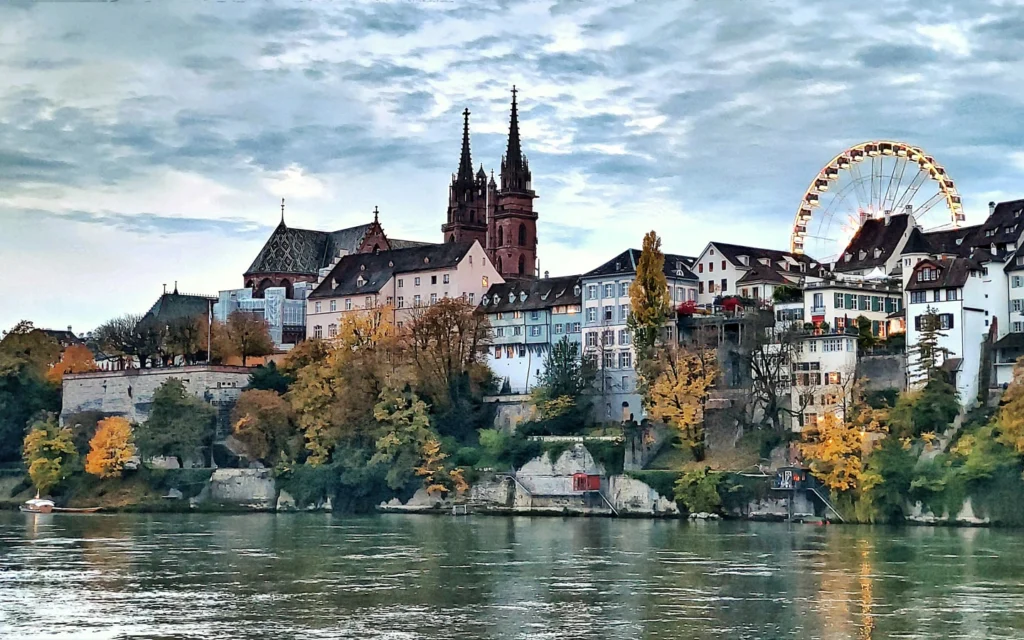
Geneva carries a different energy from the rest of Switzerland, more international, more cosmopolitan, shaped by decades of diplomacy. The Jet d’Eau fountain shoots 140 metres into the air above Lake Geneva and serves as an unmissable landmark.
Walk the lakeside promenades to the Palais des Nations for guided tours of the UN headquarters. The Old Town climbs a hill behind the lake, with St. Peter’s Cathedral at the summit offering sweeping views over rooftops and water.
For official inspiration across all these destinations, the Switzerland Tourism website remains the most comprehensive and up-to-date planning resource available.
Experiences You Should Not Miss in Switzerland
Switzerland’s real magic lives beyond sightseeing. Ride the Glacier Express, an eight-hour scenic train between Zermatt and St. Moritz through 291 bridges and 91 tunnels. The panoramic windows frame a constant film of Alpine scenery you could watch for hours.
Visit a chocolate factory in Gruyères or Broc for a tasting tour that goes well beyond tourist shop samples. Take a wooden boat across any Alpine lake at dusk. Spend a night in a traditional mountain hut with no phone signal, just cheese fondue and a sky full of stars.
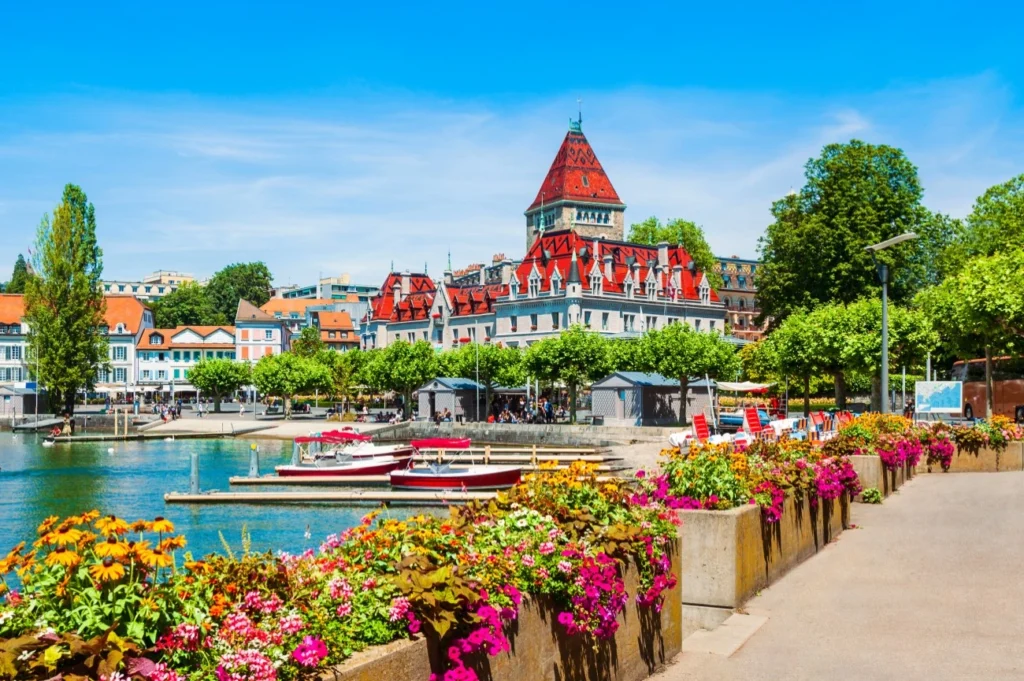
Stroll through a village like Grindelwald, Appenzell, or Saas-Fee to see Switzerland’s rural soul flower boxes on shuttered windows, cowbells in distant pastures, a café that has served the same walnut tart recipe for forty years.
What Makes Switzerland Different from Other European Destinations?
Switzerland operates with a consistency that other countries only promise. Trains run on the minute. Public spaces stay clean without visible effort. You can drink tap water anywhere in the country, including straight from mountain fountains in village squares.
The country speaks four languages and each region carries its own culinary and cultural personality. The Swiss Travel Pass connects everything with a single ticket covering trains, buses, boats, and cable cars. For travelers planning their first visit, checking the latest Switzerland travel advisory before departure ensures a smooth, well-prepared trip with no surprises at the border.
Smart Travel Tips for First-Time Visitors
Switzerland is expensive — there is no point pretending otherwise. Budget roughly CHF 200 to 300 per person per day for mid-range travel. You can bring this down significantly by eating lunch at Migros or Coop supermarkets, cooking in hostel kitchens, and choosing regional passes over single tickets.
Transport: Buy the Swiss Travel Pass before you arrive. It covers almost everything and costs less when purchased outside Switzerland.
Packing: Even in summer, bring warm layers for mountain excursions. Temperatures drop fast above 2,000 metres, and waterproofs are essential year-round.
Best seasons: The best time to travel to Switzerland depends on what you want. June to August works best for hiking and lakes. December to March suits skiing. April and November offer lower prices, fewer crowds, and their own quiet beauty.Learn more about seasonal planning to make the most of every Swiss destination.
Who Should Visit Switzerland?
Couples find Switzerland effortlessly romantic. Scenic train rides, lakeside dinners, and Alpine huts set a mood that requires no extra planning.
Families benefit from cable cars, chocolate museums, and safe easy hiking trails that keep children genuinely engaged from start to finish.
Solo travelers thrive here thanks to excellent public transit, safe cities, and a well-connected hostel culture that makes it easy to meet fellow travelers.
Adventure seekers come for paragliding, skiing, canyon jumping, and glacier hikes. The adventure menu here is genuinely world-class.
Luxury travelers find palace hotels in Lucerne, private Glacier Express compartments, and Michelin-starred dining that rival the best in Europe.
Final Thoughts
Is Switzerland Worth Visiting?
Yes, completely. Switzerland costs more than most European destinations, but it also delivers more. The landscapes are extraordinary. The infrastructure spoils you. The food surprises you, and the silence of a mountain morning stays with you long after you land back home.
Whether you spend your days hiking above Grindelwald, exploring Basel’s art galleries, cruising Lake Geneva, or riding the rails between Switzerland travel spots you have dreamed about for years, the country never feels ordinary.
You do not visit Switzerland once and check it off a list. You visit, and you immediately start planning your return.
FAQ
What is the best time to travel to Switzerland?
June to August is ideal for hiking and lakes. December to March suits skiing. Spring and autumn offer lower prices and fewer crowds with their own quiet charm.
Is Switzerland expensive for tourists?
Yes. Budget CHF 150 to 300 per day. Supermarkets, hostels, and transport passes help manage costs significantly without sacrificing the experience.
Do I need to check the Switzerland travel advisory before visiting?
Yes, always check the latest travel advisory for Switzerland from your country’s foreign affairs website before departure. Switzerland is generally very safe, but entry requirements and health guidelines can change.
How does public transport work?
Switzerland’s public transport is world-class. The Swiss Travel Pass covers trains, buses, boats, and many cable cars. Buy it before arrival for the best price.
Is Switzerland safe for solo travelers?
Switzerland consistently ranks among the world’s safest countries. Solo travelers, including solo women, feel very comfortable in both cities and rural areas.
Is Switzerland good for families with children?
Absolutely. Children under 16 travel free with a parent holding a Swiss Travel Pass. Cable cars, chocolate factories, and gentle trails keep kids engaged throughout.
What currency does Switzerland use?
Switzerland uses the Swiss Franc (CHF). It is not in the EU and does not use the Euro, though some tourist areas near borders accept Euros informally.