
When I decide what to pack for a hike, I usually start with the trail rather than the gear. A short local walk in mild weather does not need the same setup as a long day on unfamiliar terrain. The right hiking accessory should make something easier, safer, or more comfortable without creating unnecessary weight.
That is why I think the best hiking accessories are the ones that match the conditions. Hydration, sun protection, navigation, storage, trekking poles, weather protection, and basic safety gear can all have a place, but not necessarily on every trail.
Essential Hiking Accessories Every Trail Walker Should Consider
A few hiking essentials are useful across a wide range of trails. Water bottles or hydration systems help you carry enough fluid, while a small first-aid kit gives you supplies for minor problems such as blisters or small cuts.
A headlamp is another useful piece of hiking equipment, particularly when a hike could take longer than expected. Even on a daytime outing, having a compact light can be sensible if you are far from the trailhead.
Sun protection is equally practical. Sunglasses, sunscreen, and a hat can help make exposed trails more manageable. Navigation tools, such as a physical map, compass, or suitable GPS device, become increasingly important when the route is unfamiliar.
A lightweight day pack can bring these items together without needing a large backpack. Trekking poles are optional, but they can be useful on uneven or steep terrain for hikers who prefer the additional support.
Comfortable Hiking Starts With the Right Hydration and Storage Gear
Hydration is one of the first things I consider when planning what to carry. A reusable bottle is simple and easy to access, while a hydration reservoir can make drinking more convenient when you do not want to stop and remove a bottle from your pack.
The right choice depends on the length of the hike, available water, and how much you want to carry. A hydration pack can combine water storage with a small amount of space for essentials, while a waist pack may be enough for a short trail when you want to keep your load minimal.
Small organizers can also make a difference. Keeping items such as keys, snacks, a phone, first-aid supplies, and sunscreen in predictable places means less rummaging through a hiking backpack. Good trail accessories are often less about adding more equipment and more about making the equipment you already carry easier to manage.
Hiking Pole and Hiking Stick Accessories Worth Knowing About
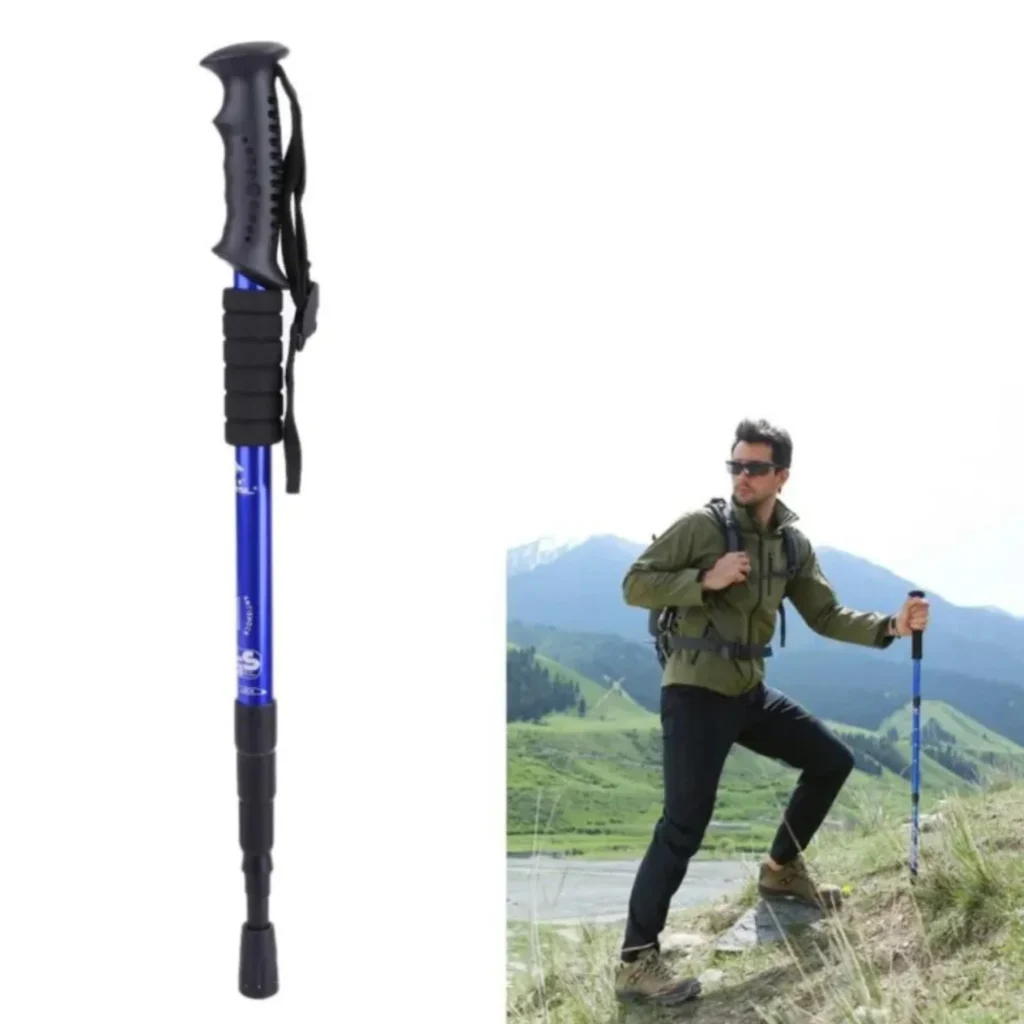
Hiking stick accessories and hiking pole accessories are easy to overlook when buying trekking poles, but some can be useful depending on the design and terrain.
Replacement tips are worth considering because pole tips experience direct contact with the ground. Rubber tips can be useful on certain hard surfaces, while baskets can help prevent poles from sinking too deeply into softer ground. Grips and wrist straps also affect how comfortably you can hold and control the poles.
Protective caps and carrying options can be helpful when poles are stored in a backpack or transported between trails. However, there is no reason to collect every available accessory. I would first check which parts are compatible with the poles and then consider whether the accessory actually suits the terrain I expect to encounter.
Sun, Rain, and Weather Accessories for Different Trail Conditions
Weather can completely change which hiking accessories make sense. On a sunny trail, sunglasses, sunscreen, and a brimmed hat may be more useful than extra layers. On a wet route, a pack rain cover, lightweight rain protection, and moisture-resistant storage become more relevant.
I also like the idea of protecting small essentials separately. Keeping electronics, maps, or other items in a water-resistant pouch can provide an extra layer of protection when conditions change.
Hot-weather hikes may also call for cooling accessories, but the important point is to match the accessory to the conditions rather than packing everything “just in case.” Checking the forecast before leaving can help reduce unnecessary weight while still leaving room for sensible weather protection.
Navigation and Safety Accessories for Hiking
Navigation and hiking safety gear deserve more attention as a trail becomes longer, less familiar, or more remote. A physical map and compass provide a useful backup to electronic navigation, while a GPS device or phone-based navigation tool can help with route awareness when used appropriately.
A headlamp is particularly valuable if there is any possibility of finishing after dark. A whistle can provide a simple way to signal for attention, while a compact first-aid kit should be appropriate to the length and remoteness of the hike.
For longer or more isolated outings, an emergency blanket may also be worth carrying because it adds relatively little bulk. Small multi-purpose tools can have practical uses too, provided they are appropriate for the trip.
The key is not to create a huge emergency kit for every walk. Safety accessories should reflect the potential consequences of being delayed, injured, or disoriented.
Camping and Hiking Accessories for Longer Outdoor Trips
Day hikes and overnight trips have very different packing requirements. Once hiking becomes part of a camping trip, camping hiking accessories can include compact lighting, gear organizers, cooking accessories, sleeping-related items, and additional pack organization.
A small light that works around camp is more relevant when you are staying overnight than when you are returning home before sunset. Similarly, compact seating or ground-comfort accessories may be worthwhile for camping even though they would be unnecessary on a short trail.
Trekking pole accessories can also become more relevant on longer trips where poles are being used repeatedly. The same principle applies to storage: organizing food, clothing, cooking equipment, and small tools can make a larger pack much easier to manage.
Choosing Hiking Accessories Based on Trail Length and Terrain
The easiest way to choose accessories is to think about what the trail actually demands.
Short local hike: Focus on hydration, sun protection, basic navigation, and a small first-aid kit.
Long day hike: Consider additional water capacity, navigation, lighting, weather protection, and a few comfort items.
Mountain or difficult terrain: Trekking poles, suitable pole accessories, weather protection, navigation tools, and emergency supplies may become more useful.
Overnight hike: Add appropriate storage, lighting, camping equipment, and sleeping-related accessories.
This approach helps prevent overpacking. A lightweight setup can be perfectly sensible when the trail is short and familiar, while a more comprehensive collection of hiking equipment may be justified when the route is longer or more remote.
How I Decide Which Hiking Accessories to Pack
When I decide what to pack, I work through a simple list: trail length, weather, terrain, water availability, distance from help, backpack space, weight, and personal comfort.
I also consider how much flexibility I need. If the weather is uncertain, a lightweight rain layer may make more sense than assuming the forecast will stay perfect. If water sources are limited, carrying more water may take priority over comfort accessories.
Before a longer trip, I also want to know how the equipment works. There is little value in carrying navigation equipment, a headlamp, or a camping accessory if I have not taken the time to understand it.
For destination research, I also find it useful to browse travel inspiration and outdoor getaway ideas when deciding what type of trail experience fits a wider trip.
What to Look for When Buying Hiking Accessories
The most useful buying criteria are usually straightforward: weight, durability, comfort, size, ease of use, weather resistance, compatibility, packability, maintenance, and intended use.
Compatibility is especially important with hiking pole accessories. A replacement tip or basket needs to fit the pole, while storage accessories need to work with the backpack or equipment you already own.
I also prefer to think about how often an item is likely to be used. A simple accessory that works for several types of hikes may be more practical than a specialized item that only suits one situation.
For additional hiking gear recommendations, it can be useful to compare advice from established hiking-focused sources before making a purchase. The same applies to preparation: hiking tips and gear advice can help you think through what your particular trail requires rather than simply copying someone else’s packing list.
Hiking Accessories I Would Not Pack on Every Trail
More gear does not automatically mean a better hiking experience. Carrying unnecessary accessories can add weight, take up valuable pack space, and make organization harder.
Before adding something, I would ask:
- Will I actually use it?
- Does the trail require it?
- Does the weather justify carrying it?
- Is there a lighter alternative?
- Can one item serve more than one purpose?
This does not mean leaving important safety equipment behind. It means separating genuinely useful hiking supplies from accessories that are unlikely to contribute much to a particular outing.
For trip preparation, I also like having travel and outdoor planning guides available when the hike is part of a larger getaway, especially when transport, accommodation, weather, and trail plans all need to work together.
Final Tips for Choosing the Right Hiking Accessories
There is no universal packing list that works for every trail. The most useful setup is the one that matches the hike you are actually taking.
I prefer to prioritize safety and comfort first, then add accessories based on weather, terrain, distance, and available space. Checking compatibility before buying is particularly important for pole accessories and pack additions.
The goal is not to carry the most hiking gear possible. It is to carry useful gear that earns its place in the backpack, so the trail feels more organized, manageable, and enjoyable from start to finish.
Frequently Asked Questions About Hiking Accessories
What are the best hiking accessories for beginners?
For beginners, practical basics include water storage, sun protection, suitable navigation, a small first-aid kit, and comfortable storage. The exact setup should reflect the trail and weather.
What hiking accessories should I take on a day hike?
For a day hike, consider hydration, sun and weather protection, navigation, basic safety supplies, and enough storage for food and personal items. Longer or remote trails may require additional equipment.
What are hiking pole accessories used for?
Hiking pole accessories can improve how poles work on different surfaces. Tips, baskets, grips, straps, and protective caps each have different purposes depending on the pole and terrain.
Are hiking stick accessories necessary?
Not always. Hiking stick accessories are optional and should be chosen according to the design of the stick, terrain, storage needs, and personal preference.
What are useful camping hiking accessories?
Useful options can include compact lighting, organizers, cooking accessories, sleeping-related items, and equipment that makes carrying or storing camping gear easier.
How do I choose the right hiking accessories?
Start with trail length, terrain, weather, water availability, distance from help, pack weight, and personal comfort. Choose accessories that solve a real need.
What should I pack for a comfortable hiking trip?
A practical setup usually includes hydration, navigation, weather protection, safety supplies, storage, and a few comfort items suited to the trail.