

Turkey sits at the crossroads of two continents literally. Europe meets Asia here, and that collision of cultures makes Turkey unlike almost any other destination on the planet.
You get ancient ruins, stunning coastlines, dramatic landscapes, and some of the most generous hospitality you’ll find anywhere. History lovers, beach seekers, foodies, and adventure travelers all find something here that speaks directly to them.
This guide walks you through everything you need to know about travel to Turkey, where to go, , when to visit, how much to budget, and what to watch out for.If you want a deeper look at the country’s cultural background before diving in, check this guide for a solid overview.
Why Visit Turkey? Here’s What Makes It Special
Turkey carries thousands of years of history on its shoulders. Empires rose and fell here — the Romans, Byzantines, Ottomans and they all left their mark in stone, tile, and tradition.
Beyond the history, the food alone makes the trip worth it. Turkish cuisine goes far beyond kebabs. The breakfasts are legendary, the sweets are addictive, and street food culture runs deep in every city.
Turkey also gives you incredible value. You can eat well, stay comfortably, and see world-class sites for a fraction of what you’d spend in Western Europe.
When Is the Best Time to Visit Turkey? A Season-by-Season Guide
Spring (March–May)
Spring is the sweet spot. Temperatures stay mild, flowers cover the hillsides, and crowds haven’t hit their peak yet. Prices remain reasonable, and most attractions stay comfortable to explore.
Summer (June–August)
Summers bring heat, especially in central and southern Turkey. Beach destinations like Antalya and Bodrum overflow with tourists. Expect higher prices and packed sites but also long sunny days and a buzzing atmosphere.
Autumn (September–November)
Many experienced travelers call autumn the best time to visit. Temperatures cool, crowds thin out, and prices drop. The landscapes turn golden, and popular sites feel far more enjoyable.
Winter (December–February)
Winter works well for Istanbul and ski resorts like Uludağ. Most coastal towns slow down significantly. You’ll find bargain prices and empty streets — ideal if you prefer solitude over sunshine.
Best Places to Visit in Turkey
Istanbul
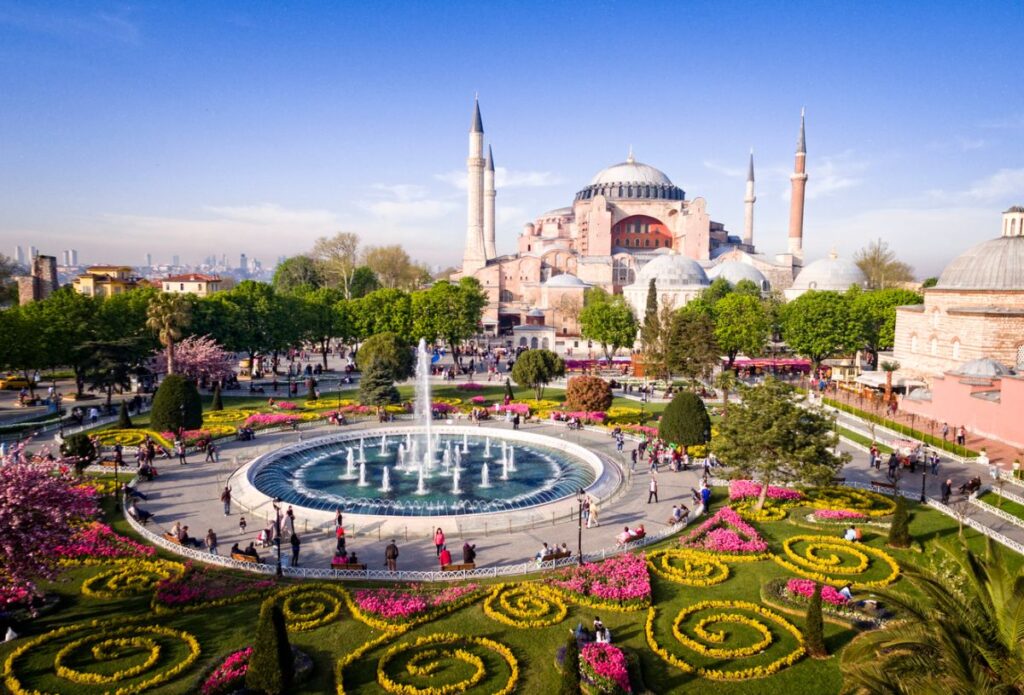
Istanbul rewards every type of traveler. Spend at least three days here. Walk between continents, explore centuries-old mosques, and lose yourself in the Grand Bazaar. The city never feels the same twice.
Cappadocia

Cappadocia looks like a landscape from another world. Fairy chimneys rise from the earth, cave hotels offer unforgettable stays, and sunrise balloon rides deliver views that stay with you forever. Allow two to three days minimum.
Antalya
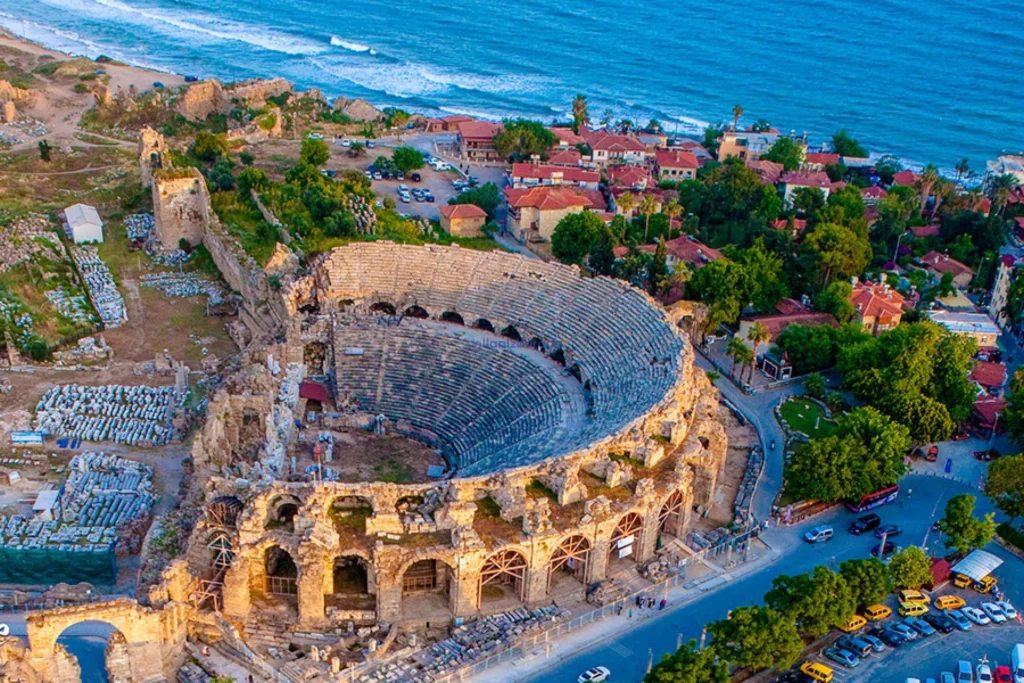
Antalya combines a beautiful old town with easy access to beaches and ancient ruins. It makes an excellent base for exploring Turkey’s turquoise coast. Great for families and beach lovers alike.
Pamukkale

The white calcium terraces of Pamukkale look surreal in photos and even more striking in person. Pair your visit with the nearby ruins of Hierapolis. A day trip works, but an overnight stay lets you enjoy the site after day-trippers leave.
Ephesus
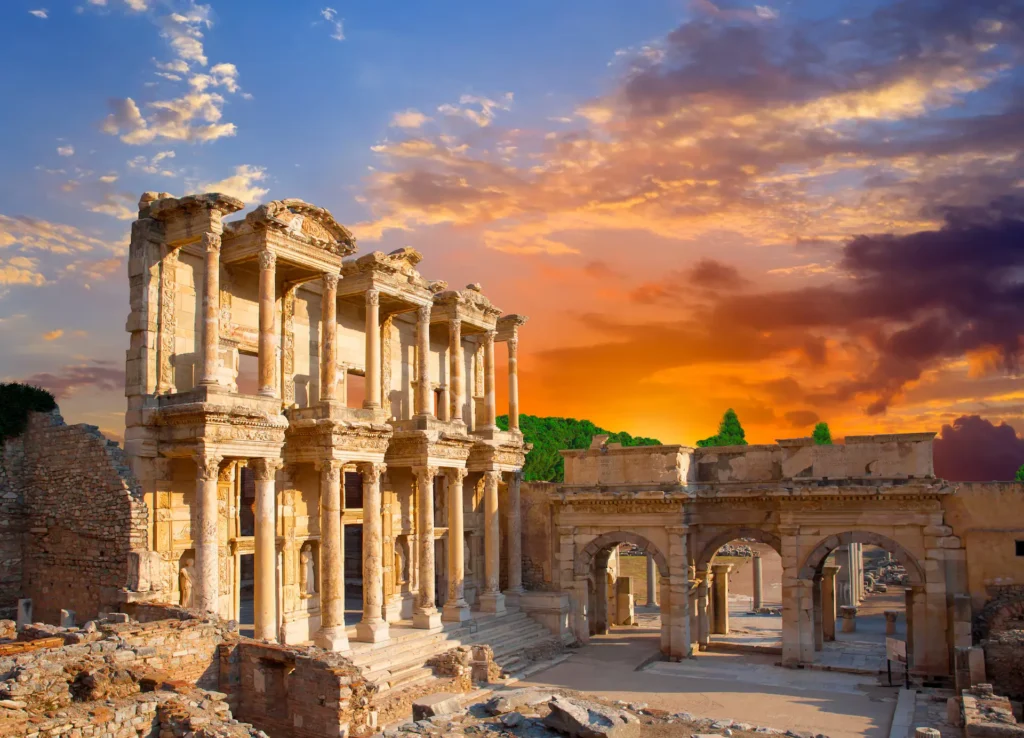
Ephesus ranks among the best-preserved ancient cities in the world. Walking through its marble streets gives you a genuine sense of life under the Roman Empire. Go early to beat the heat and the crowds.
Bodrum
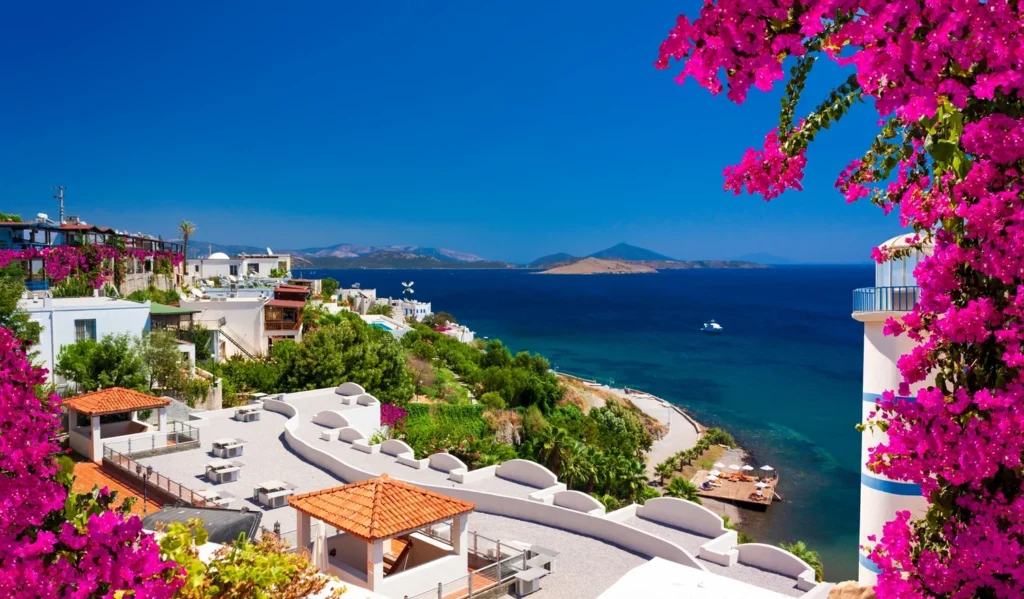
Bodrum attracts a stylish crowd. Whitewashed walls, a medieval castle, and lively nightlife make it one of Turkey’s most beloved coastal towns. Best visited in late spring or early autumn.
Turkey’s Most Famous Attractions
Hagia Sophia
Hagia Sophia has stood for nearly 1,500 years. Originally a cathedral, then a mosque, then a museum, and now a mosque again its sheer scale and beauty leave most visitors speechless.
The Blue Mosque
The Blue Mosque stands directly across from Hagia Sophia. Its six minarets and cascading domes define Istanbul’s skyline. Arrive outside prayer times to step inside and admire the intricate tilework.
The Grand Bazaar
covers 61 covered streets and houses over 4,000 shops. Go without a strict agenda. Let yourself wander, negotiate, and discover.
Cappadocia Balloon Rides
Cappadocia’s hot air balloons launch at sunrise over a landscape of volcanic rock and valleys. Book well in advance this experience sells out fast, especially in peak season.
Pamukkale’s travertine terraces
Pamukkale Terraces form natural white pools of mineral-rich water that cascade down a hillside. You can walk through them barefoot, a genuinely strange and beautiful experience.
Top Experiences in Turkey
Top Historical Experiences
- Explore the ruins of Ephesus
- Visit Hagia Sophia and the Blue Mosque
- Tour Topkapi Palace and its treasury
- Descend into Cappadocia’s underground cities
- Walk the ancient streets of Troy
Top Cultural Experiences
- Soak in a traditional Turkish hammam
- Sit down to a proper Turkish breakfast spread
- Haggle and browse the Grand Bazaar
- Share tea with locals at a çay house
- Watch a whirling dervish ceremony
Top Outdoor Experiences
- Take a sunrise hot air balloon ride over Cappadocia
- Swim along Antalya’s turquoise coast
- Hike sections of the Lycian Way trail
- Join a gulet boat tour along the Mediterranean
- Paraglide over Ölüdeniz beach
Turkey Itineraries for Every Traveler
5-Day Itinerary
Days 1–3 in Istanbul (Hagia Sophia, Grand Bazaar, Bosphorus cruise). Days 4–5 in Cappadocia (valley walks, underground cities, balloon ride).
7-Day Itinerary
Add Pamukkale and Ephesus after Istanbul and Cappadocia. A domestic flight between regions saves significant travel time.
10-Day Itinerary
Cover Istanbul, Cappadocia, Ephesus, Pamukkale, and finish on the coast in Antalya or Bodrum. This gives you a strong mix of history, culture, and relaxation.For detailed day-by-day route planning, this useful resource breaks down regional options clearly.
Getting Around Turkey Made Easy: Flights, Trains, Buses & More
Domestic flights connect major cities quickly and affordably. Turkish Airlines and Pegasus cover most routes. Book ahead for the best fares.
Intercity buses run frequently and cover destinations that flights don’t. Companies like Flixbus and Metro Turizm offer comfortable long-distance travel at low prices.
Metro systems work well in Istanbul and Ankara. Istanbul’s metro, tram, and ferry network gets you almost anywhere in the city efficiently.
Trains connect a handful of cities but remain slower than buses for most routes. The high-speed rail between Ankara and Istanbul proves the exception.
Car rentals give you real freedom, especially for the Aegean and Mediterranean coasts. Road conditions stay generally good, and driving lets you stop at sites buses skip entirely.
How Much Does a Turkey Trip Cost?
Budget Traveler
Expect to spend $40–$60 per day. Hostels, local restaurants, and buses keep costs low. Turkey genuinely rewards budget travel.
Mid-Range Traveler
$100–$150 per day covers comfortable hotels, sit-down meals, and occasional tours. This level lets you enjoy Turkey without constantly watching every lira.Many travelers also compare different turkey travel packages at this budget level to balance comfort and cost.
Luxury Traveler
$250 and above opens up cave hotels in Cappadocia, boutique resorts in Bodrum, and fine dining across Istanbul. Turkey’s luxury sector offers outstanding value compared to Western Europe.
Turkish Foods Every Visitor Should Try
Kebab in Turkey bears little resemblance to the takeaway version most people know. Adana kebab, İskender kebab, and shish kebab each taste distinct and regional.
Baklava demands at least one dedicated visit to a proper baklava shop in Istanbul or Gaziantep. Flaky, syrup-soaked, and nothing like the packaged version.
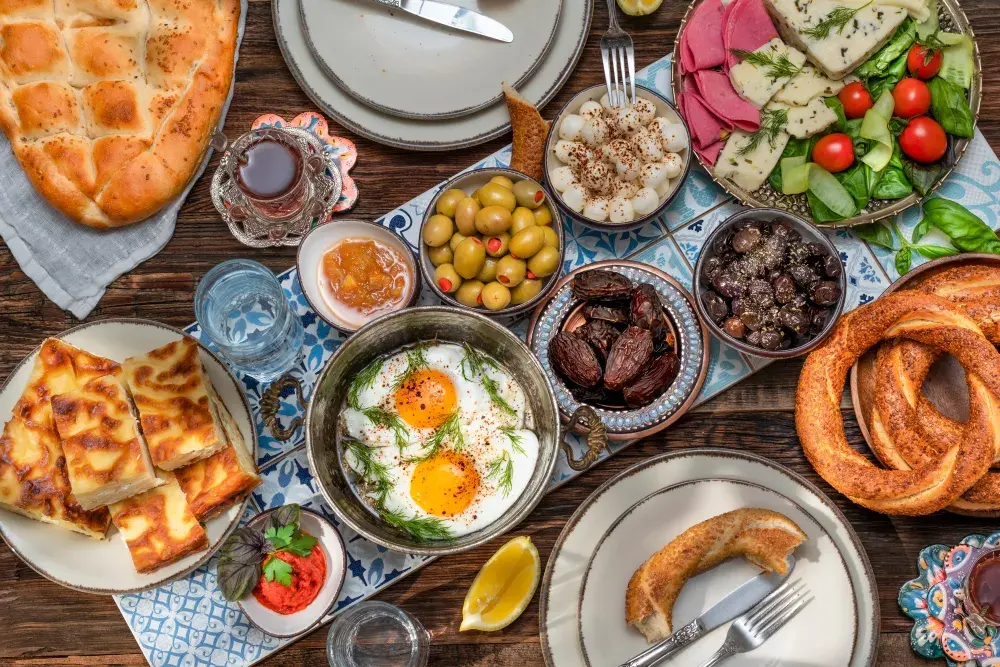
Turkish Breakfast deserves its own morning. Cheeses, olives, eggs, tomatoes, honey, and fresh bread arrive together in a spread that turns breakfast into an event.
Turkish Tea comes in small tulip-shaped glasses and flows endlessly. Locals drink it throughout the day. Accepting a glass from a shopkeeper or host signals goodwill.
Meze small shared dishes like hummus, stuffed vine leaves, and yogurt dips — make dinner a social occasion. Order several and share.
Essential Tips for First-Time Visitors
- Currency: Carry Turkish Lira for markets, small restaurants, and taxis. Cards work in most hotels and larger shops.
- SIM Cards: Buy a local SIM at the airport. Data stays cheap and connections stay reliable.
- Dress Code: Cover your shoulders and knees when entering mosques. Many sites provide wraps at the entrance.
- Bargaining: Expected in bazaars and markets. Start lower than you want to pay and meet in the middle.
- Tipping: Not mandatory but appreciated. Ten percent of restaurants work well.
- Language: Learn a few Turkish phrases. Even a simple teşekkür ederim (thank you) earns genuine smiles.
For more practical trip-planning advice tailored to first-timers,read more here.if you’re checking travelling to turkey visa requirements as part of your preparation.
Common Tourist Mistakes to Avoid in Turkey
Booking too late in peak season leaves you with poor choices and inflated prices. Book accommodation and balloon rides at least two months ahead for summer travel.
Assuming taxis are always honest costs you money, especially from airports. Use the official taxi stands or apps like BiTaksi to avoid inflated fares.
Underestimating distances catches many travelers off guard. Turkey is large — Istanbul to Cappadocia takes roughly 1.5 hours by plane or 12 hours by bus.
Skipping cash entirely creates problems in smaller towns and local markets. Always carry some lira.
Ignoring advance bookings for Cappadocia balloon rides means missing out entirely. These book up weeks, sometimes months, ahead.
Is Turkey Safe for Tourists in 2026?
Turkey remains a safe destination for the overwhelming majority of travelers, and many people researching is turkey safe to travel find that tourist areas in Istanbul, Cappadocia, the Aegean, and the Mediterranean coast see millions of visitors every year without serious incident.
Solo travelers and female travelers visit Turkey regularly and report positive experiences, particularly in well-touristed areas. Standard urban awareness watching your belongings, avoiding poorly lit streets at night applies just as it would in any major city.
Check your government’s travel advisory before you go, and avoid areas near the southeastern border regions, which carry different risk profiles than tourist zones.
Final Verdict
Turkey over-delivers. Few countries combine this depth of history, variety of landscapes, quality of food, and overall value into a single destination.
It works for first-time international travelers and seasoned explorers equally. It suits tight budgets and luxury seekers. It rewards those who rush through highlights and those who stay slow and curious.
Book the balloon ride first. Build your itinerary around it. Then let Turkey surprise you and it will.Explore the full Turkey travel planning guide to make your journey easier and more organized,Visit our blog.
Frequently Asked Questions
Is Turkey expensive to visit?
Turkey offers strong value. Budget travelers manage on $40–$60/day. Mid-range travel costs around $100–$150/day. Luxury options exist for $250+.
How many days are enough for Turkey?
Seven days covers the highlights well. Ten days lets you explore more comfortably without rushing between destinations.
Do I need cash in Turkey?
Cards work in most hotels and restaurants, but carry Turkish Lira for markets, smaller eateries, and local transport.
Is Turkey safe for tourists?
Yes, tourist areas remain safe and well-visited. Apply standard urban awareness and check your government’s latest travel advisories before departure if you’re wondering if it is safe to travel to Turkey right now.
What is the best month to visit Turkey?
April, May, September, and October offer the best combination of good weather, manageable crowds, and fair prices.