
A safari can mean very different things to different travelers. One person might picture early morning game drives, a comfortable lodge, and quiet evenings. Someone else may want a private vehicle, long days in the bush, and as much flexibility as possible.
That’s why I don’t think choosing a safari should start with a list of famous destinations. It makes more sense to work out what you actually want from the trip first. Comfort, budget, wildlife interests, privacy, pace, and the people traveling with you can all change what feels like the right choice.
The best safari experience is not necessarily the most expensive one. It is the one that fits the way you want to travel.
Start With Your Travel Style
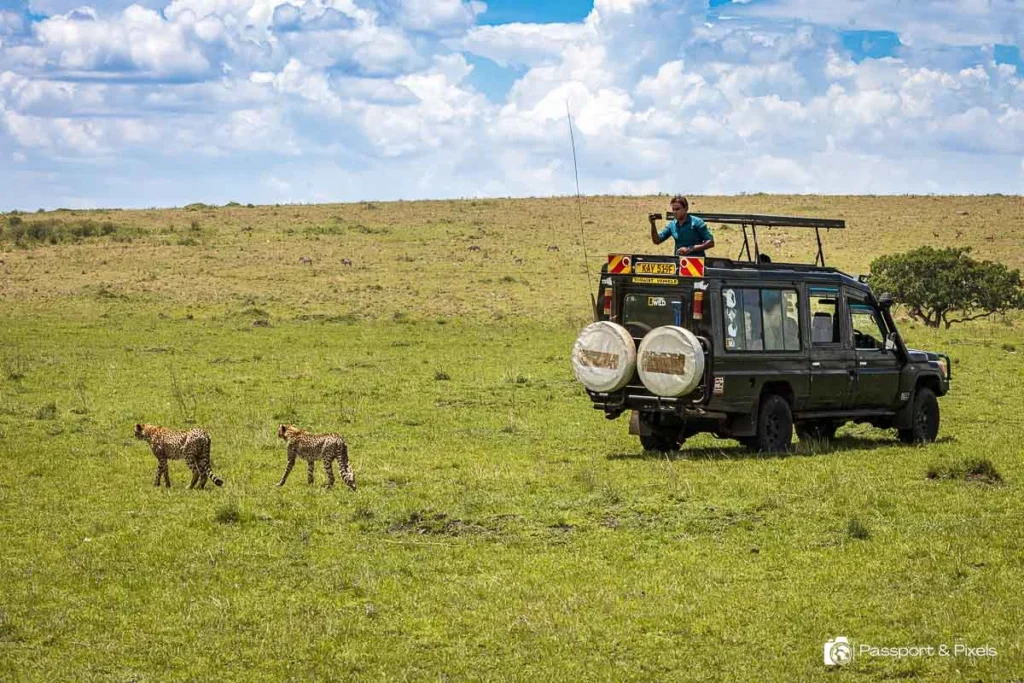
Before looking at safari camps or comparing destinations, think about your ideal day.
Would you rather have a relaxed schedule with time to enjoy the lodge, or spend most of the day exploring? Do you like having plans made for you, or would you prefer more freedom to decide how the day unfolds?
Your answers can quickly narrow things down. A social traveler may enjoy shared game drives, while someone who values quiet and flexibility may lean towards a private safari. Families have different practical needs from couples, and photographers may care about vehicle access and positioning more than someone who simply wants a general wildlife experience.
I find this approach much more useful than trying to find a single “perfect” safari. Start with your preferences, then look for an itinerary that supports them. If you’re still working out what that itinerary might look like, safari planning ideas can be useful when comparing destinations, activities, and different ways of structuring the trip.
Classic Safari or a More Private Adventure?
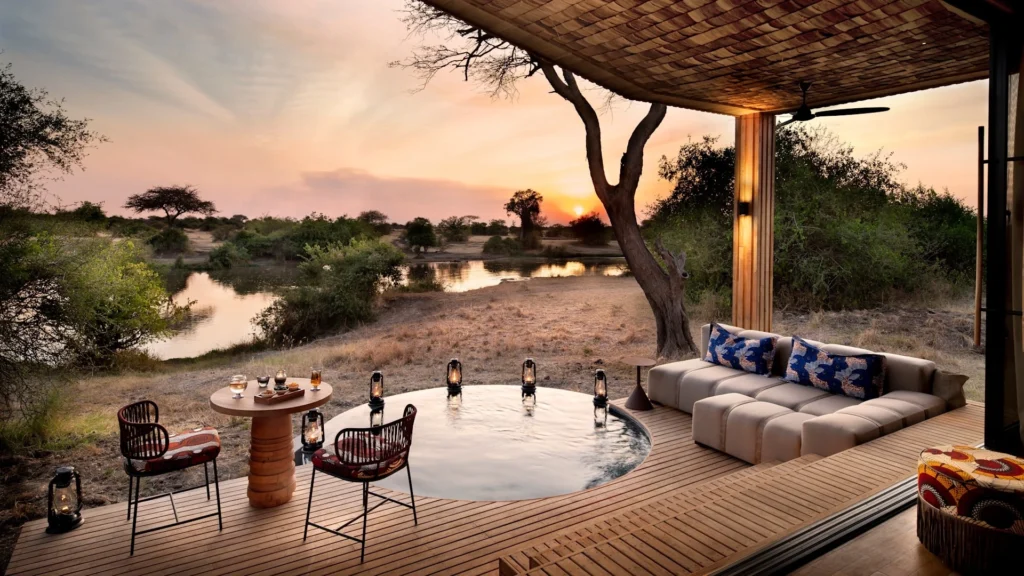
A traditional group safari can be a great fit if you enjoy meeting other travelers and don’t mind following a set schedule. Game drives are usually shared, and activities follow the arrangements made by the operator or camp.
Private safari experiences offer a different kind of flexibility. Depending on the package, you may have a private vehicle and guide, allowing more control over timings and the way activities are arranged.
That extra flexibility can matter if you have particular interests. A photographer, for example, may want to spend longer in one location instead of leaving because the rest of the group has a different schedule.
Still, private doesn’t automatically mean better. If you’re happy with a shared experience, a group safari may provide everything you need without paying for additional privacy.
What Does a Luxury Safari Really Add?
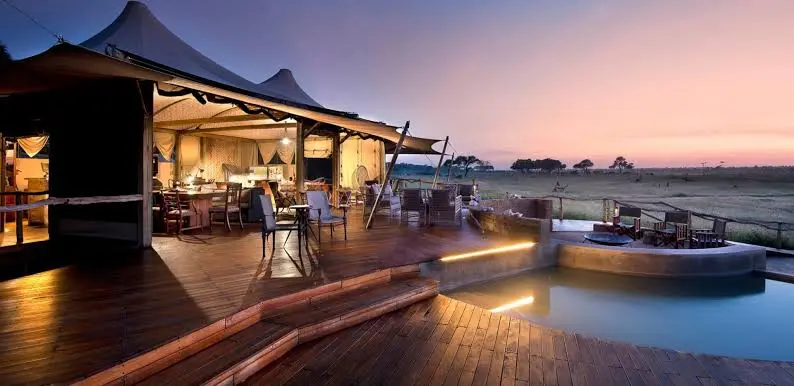
Luxury safari experiences are often associated with beautiful camps and high-end lodges, but accommodation is only part of the picture.
Luxury may also involve personalised service, comfortable rooms, quality dining, private spaces, smoother transfers, and an itinerary designed around your preferences. The exact experience varies between operators, so it’s worth looking beyond photographs when comparing options.
For me, the question would be simple: where would extra spending make the biggest difference?
If you care deeply about comfort and service, upgrading your accommodation may be worthwhile. If you’re more interested in spending extra time on safari, you might prefer to put more of the budget towards activities or a longer itinerary.
A luxury safari should feel valuable because it matches your priorities, not simply because it carries a premium label.
Wildlife, Photography, or Pure Adventure?
The reason you want to go on safari should influence the experience you book.
For wildlife-focused travelers, time in suitable wildlife areas and the quality of guiding are important considerations. No responsible operator can guarantee that you’ll see a particular animal, so I’d be cautious about choosing a trip based on promises of specific sightings.
Photography requires a slightly different approach. Useful things to investigate include:
- Vehicle configuration and access
- Guide experience with photographers
- How much flexibility the itinerary allows
- Opportunities to work with different lighting conditions
- Whether private vehicles are available
Adventure travelers may prefer an itinerary that goes beyond conventional game drives, perhaps including walking activities or other outdoor experiences where they are offered safely and appropriately.
The more specific your interests, the more carefully I’d match the activities to the itinerary. For a first trip, a first safari experience guide can also be helpful for understanding some of the practical questions that may not be obvious when you’re comparing safari packages.
Family Safaris Require a Different Kind of Planning
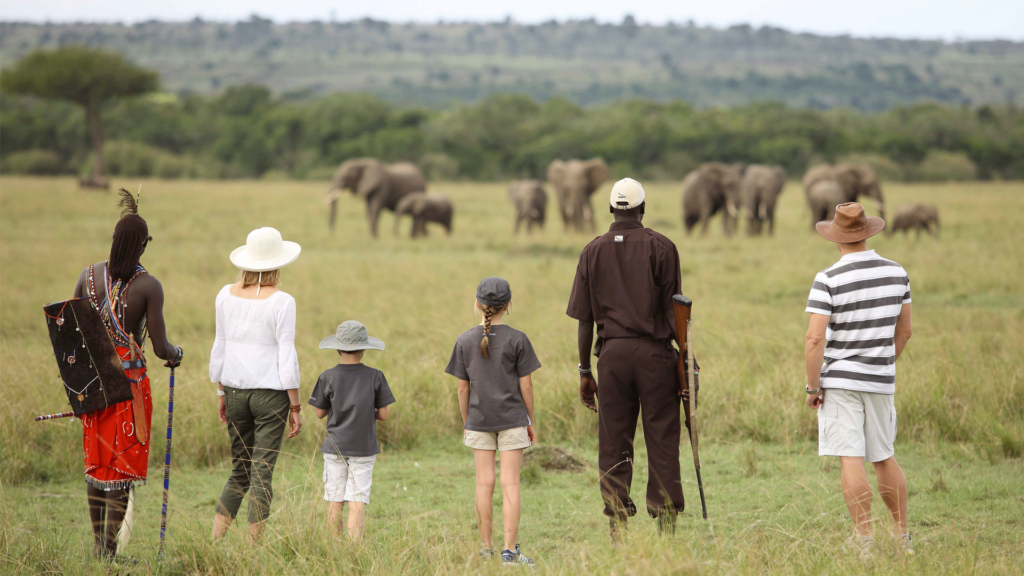
A family safari needs more than a child-friendly room.
Age restrictions can apply to camps, lodges, walking activities, and other experiences. Travel between locations can also take longer than expected, which makes the overall pace particularly important when younger children are involved.
Before booking, I’d check:
- Minimum age requirements
- Family room or accommodation options
- Meal arrangements
- Transfer times
- Available activities
- Safety requirements
A private safari can sometimes make family travel easier because there may be more flexibility around timing, but that depends entirely on the operator and package.
Most importantly, don’t assume that every safari property welcomes children. Always confirm the current rules before paying a deposit.
Couples and Honeymoon Travelers May Want More Privacy
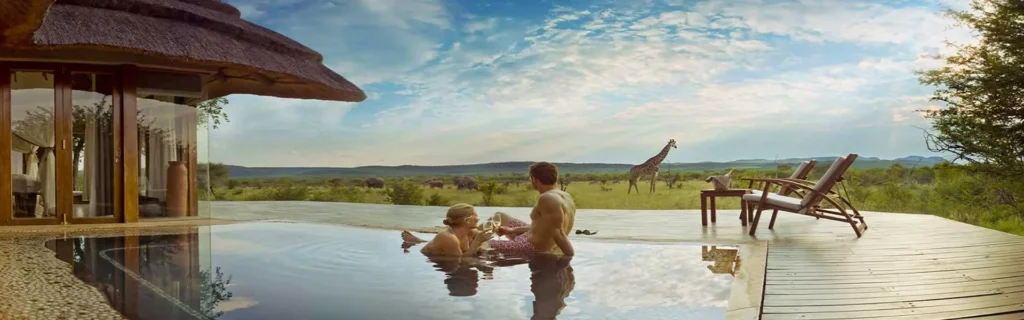
Safari experiences for couples don’t have to follow the usual honeymoon formula.
Some couples want busy days filled with wildlife activities, while others would rather combine game drives with plenty of time to relax. Private accommodation, quieter settings and flexible schedules can be appealing, particularly when the trip is meant to feel unhurried.
I’d also think about how the safari fits into the rest of the vacation. Combining a wildlife stay with time somewhere more relaxed can create a better balance than trying to pack every possible activity into a few days. Safari travel inspiration can be useful here if you’re still considering how to combine different destinations or experiences into one trip.
The important thing is agreeing on the pace before booking. A beautiful itinerary won’t feel quite so enjoyable if one traveler wants constant adventure and the other needs more downtime.
When VIP Service Matters Most
The term VIP can mean different things from one safari company to another, so I wouldn’t rely on the label alone.
VIP safari experiences travel luxury packages may include features such as private guides, dedicated vehicles, premium accommodation, personalized schedules, or carefully arranged transfers. But the actual inclusions should always be confirmed with the provider.
This style of travel makes most sense for people who value convenience and personal attention. It can also suit travelers celebrating a special occasion or those who simply don’t want to spend their vacation coordinating every detail.
Before booking, ask exactly what the VIP upgrade changes. The answer is more useful than the marketing language.
Choosing the Right Safari Destination
Once you’ve worked out your travel style, destination selection becomes much easier.
Wildlife is an obvious consideration, but it shouldn’t be the only one. Think about the landscape, season, available activities, accessibility, accommodation and the amount of time you have.
Budget matters here too, although the cheapest itinerary isn’t always the best value. An itinerary with long transfers may look attractive on paper but leave less time for the experience you’re actually traveling for.
I’d compare destinations based on the full trip rather than choosing one simply because it is well known. Your ideal safari might be the destination that gives you the right combination of wildlife, activities, comfort and pace. Looking at different perspectives on why safari is an unmissable travel experience can also help if you’re still deciding what you want from the trip overall.
Build the Safari Around the Experience, Not Just the Lodge
It’s easy to get distracted by impressive lodge photographs. They matter, but they don’t tell the whole story.
When comparing safari packages, look at what happens outside the room. How are game drives organised? Who provides the guidance? How far do you need to travel between locations? What activities are available? How much free time is built into the schedule?
This is where a little research can save you from choosing an itinerary that looks perfect online but doesn’t match your priorities.
I would always read the full itinerary before deciding. Accommodation is part of the safari, not the entire safari.
A Few Checks I Would Make Before Booking
Before confirming anything, I’d want clear answers to a few practical questions:
- What’s included in the quoted package?
- Are game drives shared or private?
- How many people will be in the vehicle?
- Which activities are available?
- Are transfers included?
- Are there age restrictions?
- How much time is spent travelling between locations?
- What are the cancellation and change policies?
- Does the schedule leave enough downtime?
I’d also check current information directly with the operator. Safari availability, inclusions and activity rules can change, and general information found online isn’t a substitute for the booking terms.
The Right Safari Is the One That Fits You
There isn’t one safari style that works for everybody.
A first-time traveler may want a comfortable, well-organized itinerary. A photographer might prioritize flexibility and guiding. Families need to think about age requirements and travel time, while couples may put more value on privacy. Luxury travelers may want a higher level of service, but that doesn’t mean everyone needs a premium package.
I think the smartest approach is to decide what matters most before comparing destinations. Once you know your priorities, the choices become much clearer.
The goal isn’t to book the most impressive safari on paper. It’s to come home feeling that the trip was designed around the way you actually wanted to travel.