

I learned the hard way that not all carry-ons are created equal. Three years ago, I was sprinting through Heathrow with a wheel hanging off my suitcase, watching it drag a black streak across the polished floor while my gate started final boarding calls. That bag had looked fine in the store. It just wasn’t built for the kind of travel I actually do.
Since then, I’ve gone through more carry-ons than I’d like to admit, testing them across long-haul flights, quick weekend trips, and the occasional gate-check disaster. This list isn’t a spec-sheet roundup. It’s built from what actually held up, what fell apart, and one piece of 2026 luggage news that changes how you should be shopping this year.
The Rule Most People Don’t Know About Yet
Before getting into picks, here’s something worth knowing. Several major US carriers have tightened their rules around “smart luggage” in 2026. Bags with non-removable batteries or built-in GPS trackers now get turned away at the gate on American, Delta, and Southwest, since those batteries fall under the same lithium-ion restrictions as anything else with a built-in power cell. If a suitcase you’re eyeing advertises an integrated GPS chip that can’t be popped out, check the battery policy before you buy. It’s a recent change, and a lot of older “best smart luggage” lists online haven’t caught up to it yet.
That single fact reshapes a few of the picks below, including the one at the very end of this list.
1. Best Overall: Away The Carry-On
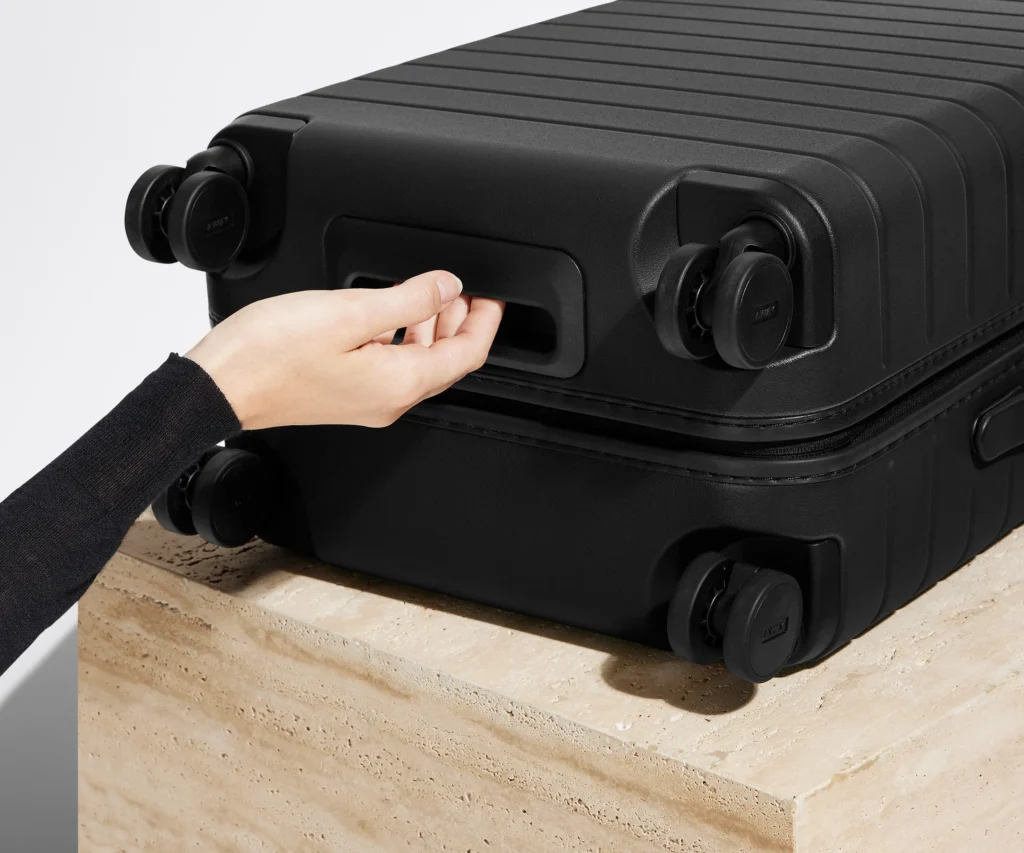
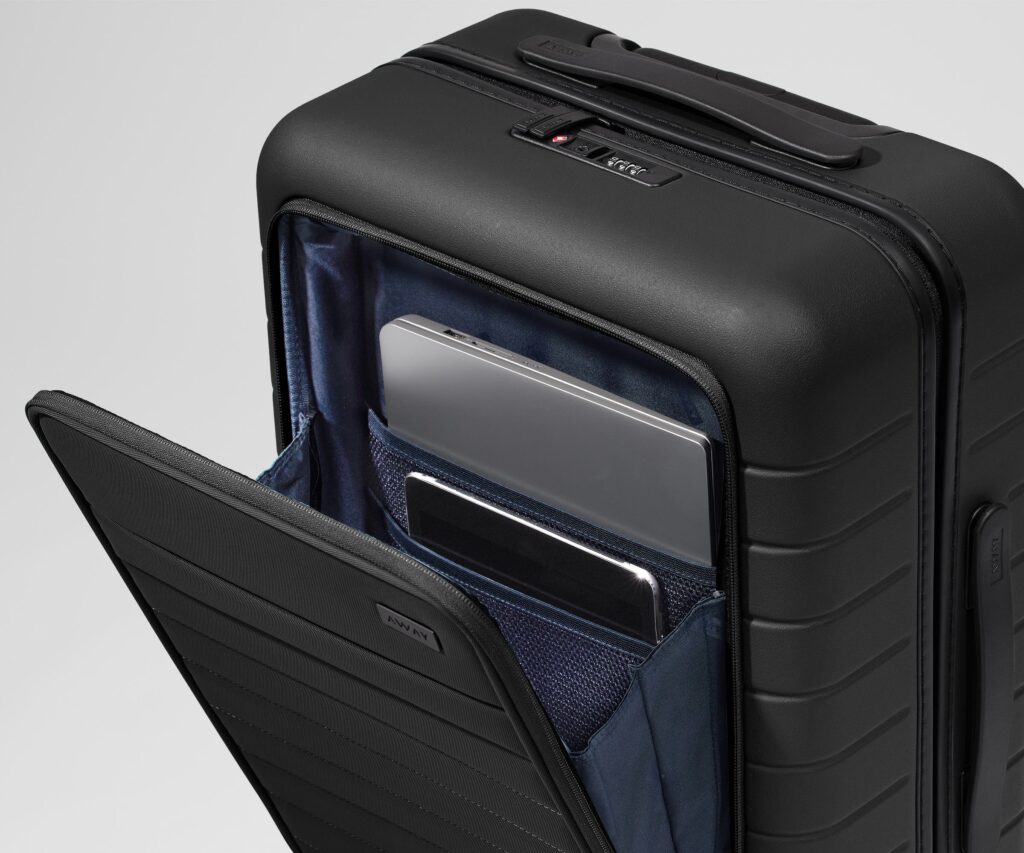
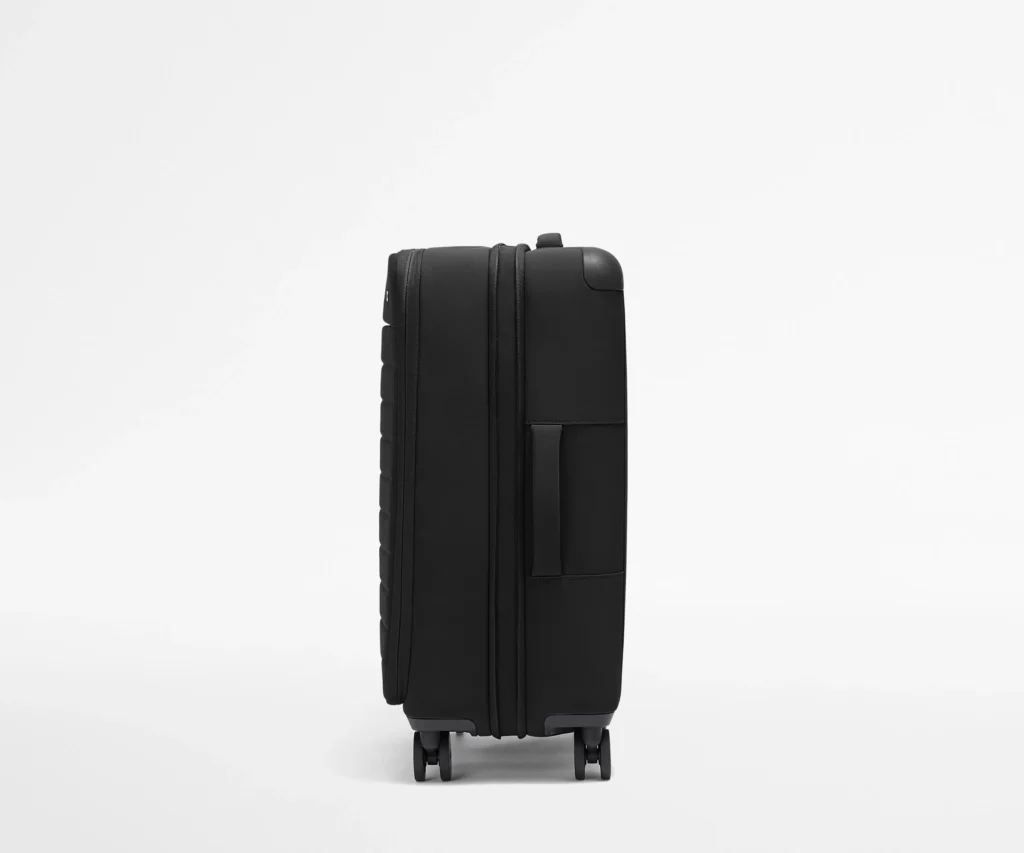
Away built its reputation on this bag, and after two years of regular use, including one trip where ground crew tossed it around badly enough that I winced watching through the window, I get why. The 100% polycarbonate shell measures 21.7 x 14.4 x 9 inches and weighs 7.5 pounds, with an internal compression panel that genuinely lets you fit more than the size suggests.
What sold me beyond the build quality is the warranty structure. Away covers functional damage for the life of the suitcase, with the first five years of repairs done free of charge. That’s a longer commitment than most brands are willing to make, and it shows they expect the bag to actually last.
2. Best Budget Pick: Samsonite Freeform
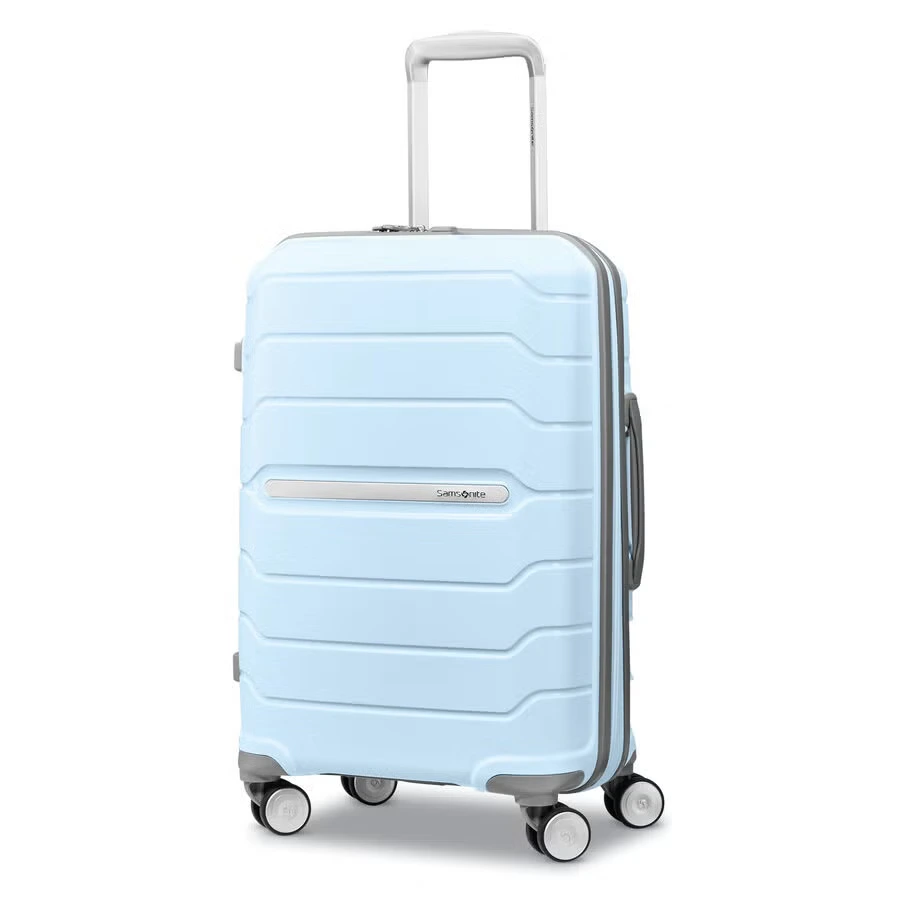
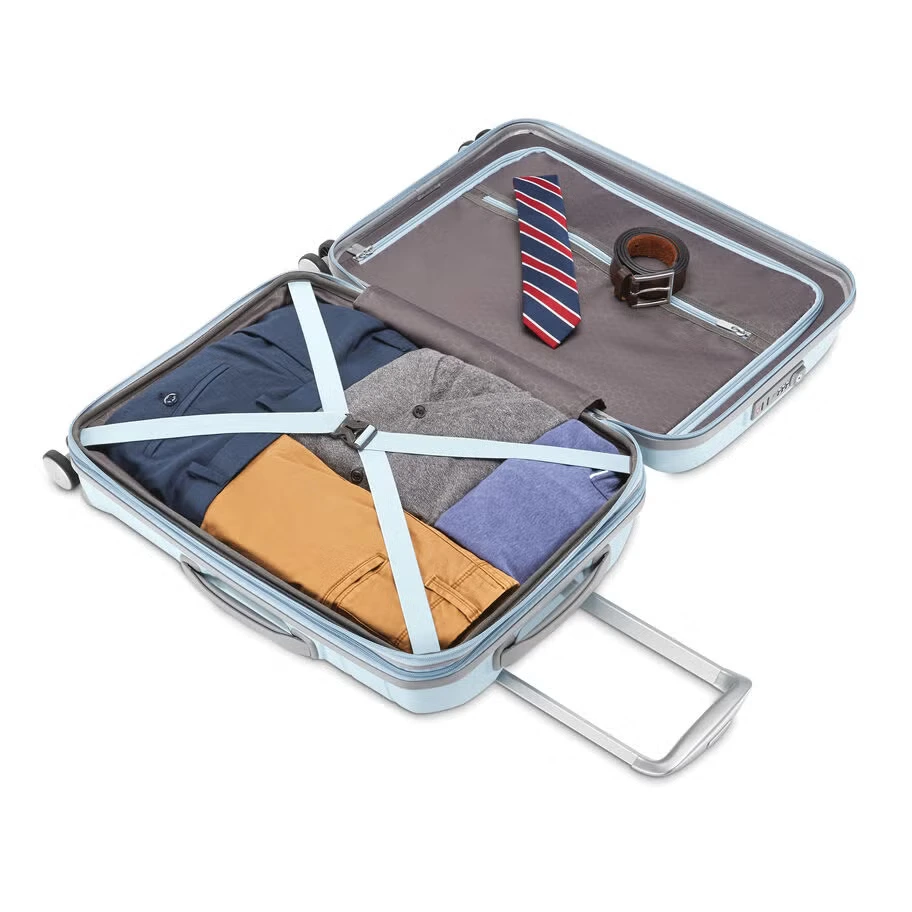
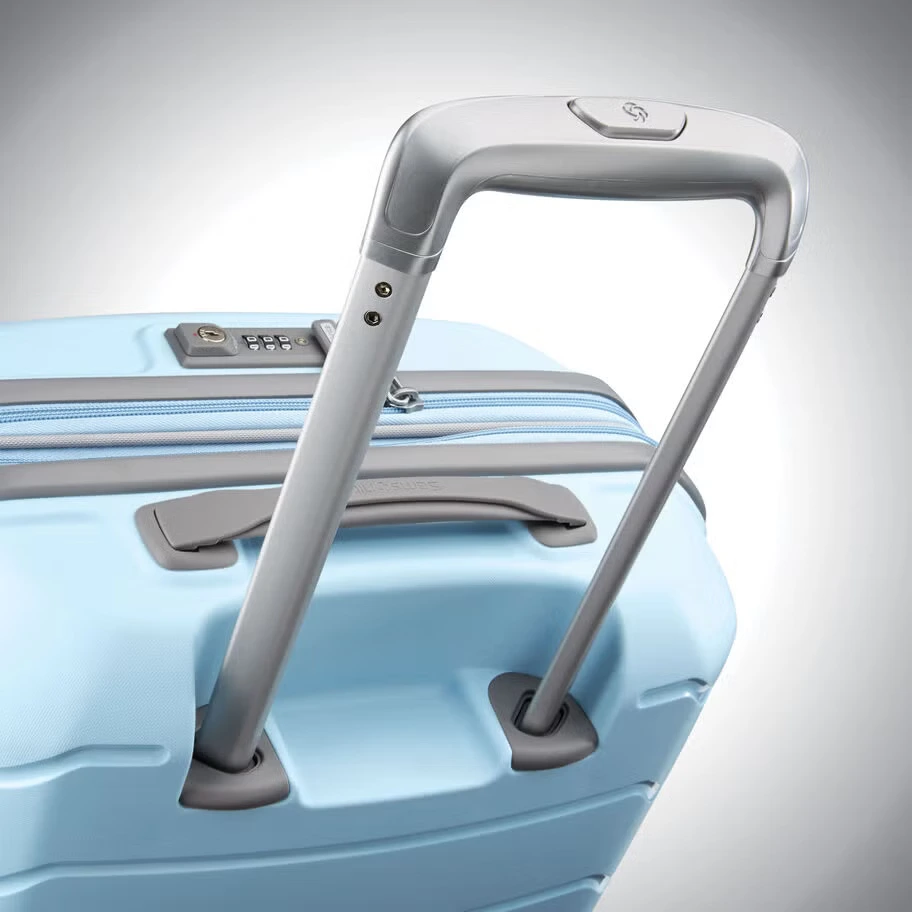
Not every trip calls for your best bag. This is the one I grab when I’d rather not babysit luggage, and at around 6.5 pounds with a polypropylene shell, it holds up better than the price tag suggests. The double-spinner wheel design is a genuine upgrade over older Samsonite models, gliding more smoothly than I expected walking through Dallas-Fort Worth on a tight connection.
One independent durability test did find that while the shell is fully waterproof, the zippers let in a small amount of water during a sustained rain simulation. For the rare downpour during a terminal transfer, that’s a minor tradeoff at this price.
3. Best Hardshell for Rough Handling: Monos Carry-On Plus

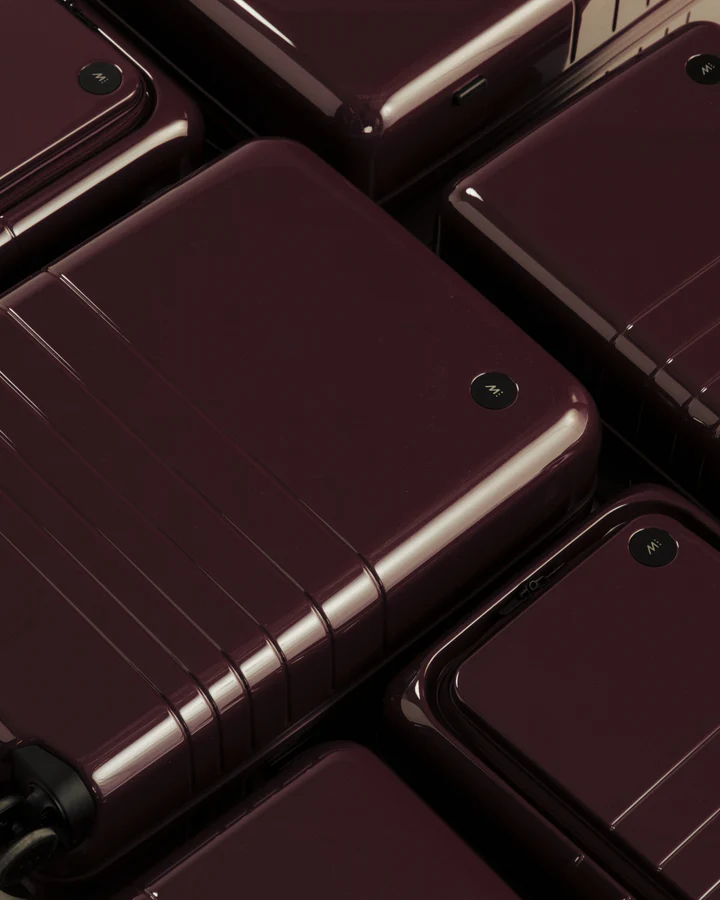
My old hardshell cracked on a connecting flight through Istanbul, which is what pushed me toward this one. The aerospace-grade polycarbonate shell is engineered to flex and absorb impact rather than crack outright, and after a year of testing that claim against baggage handlers who clearly don’t read “fragile” stickers, it’s held up. The telescopic handle adjusts across four height settings, which matters more than it sounds like if you’ve ever traveled with someone significantly taller or shorter than you.
Monos backs it with a 100-day trial and a limited lifetime warranty, so there’s room to test it on a real trip before you’re locked in.
4. Best for Business Travel: Briggs & Riley Baseline Essential Carry-On Spinner
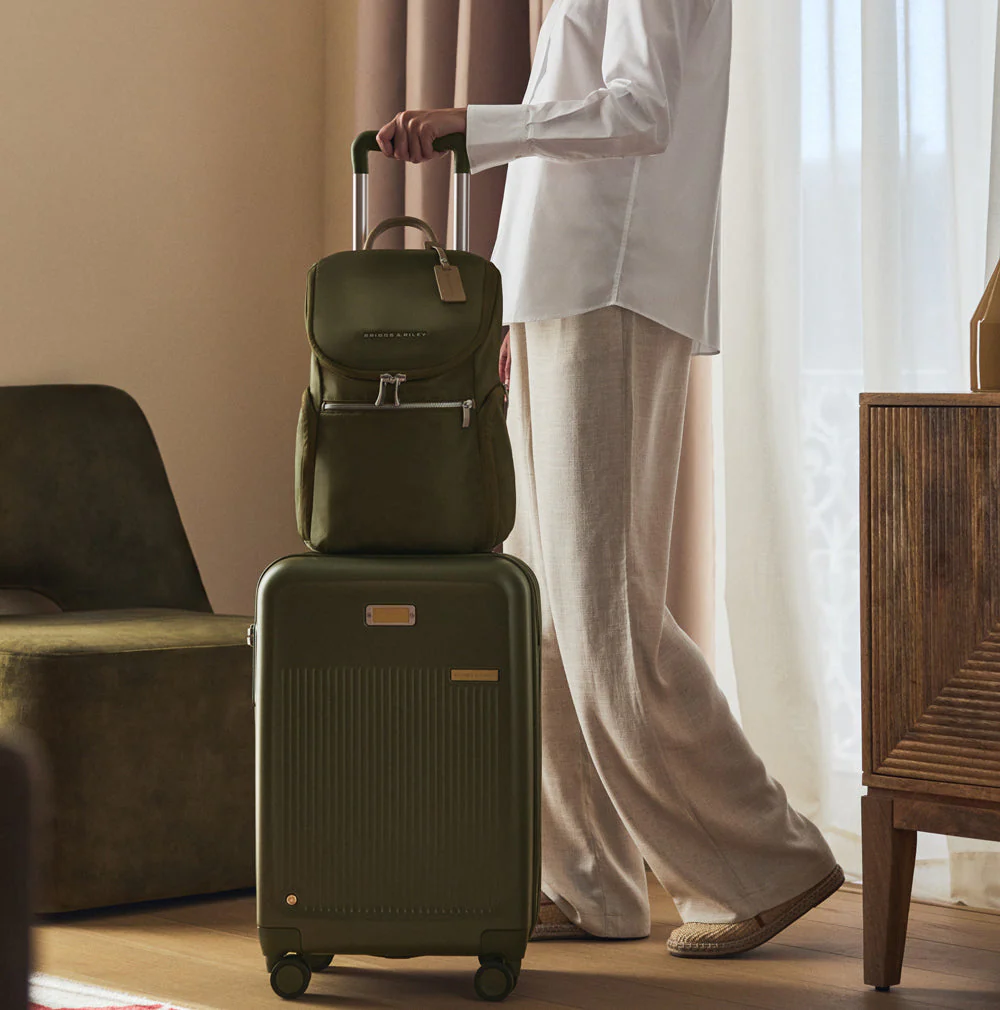
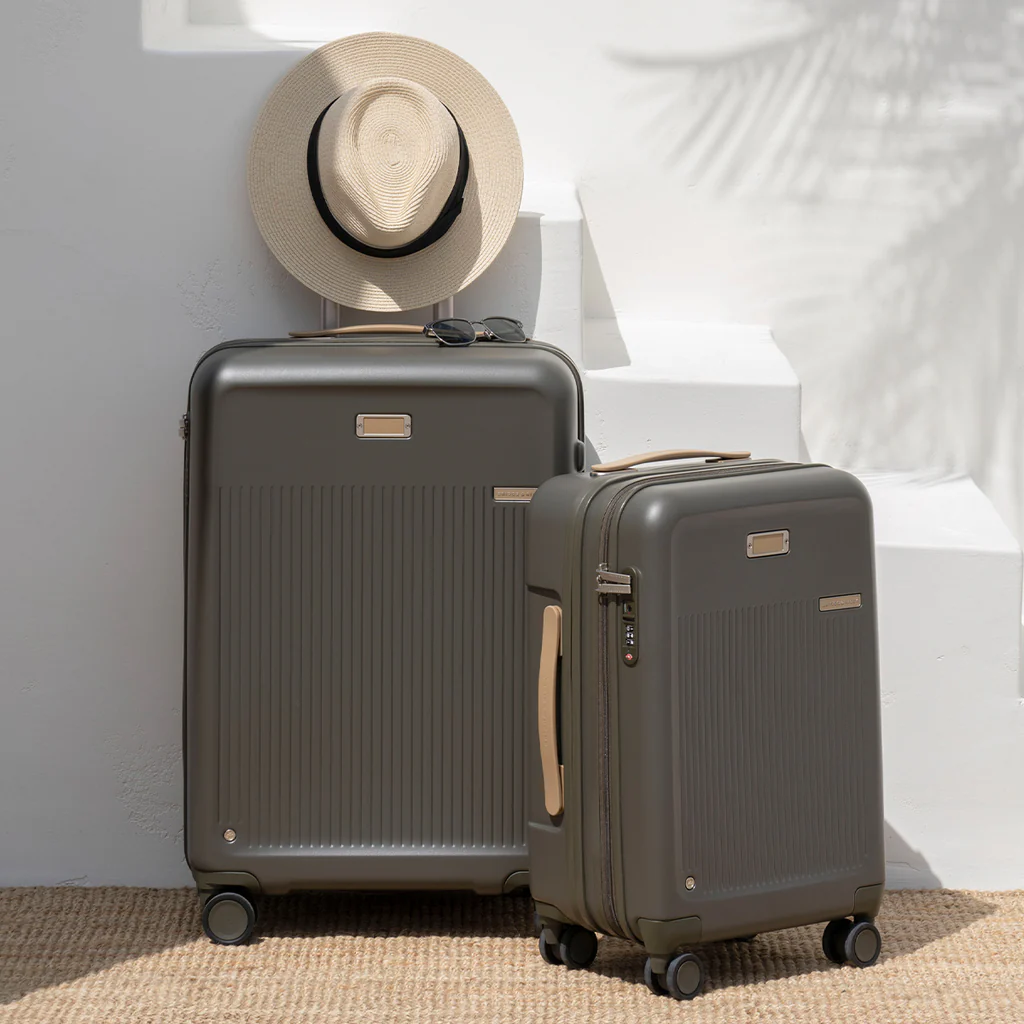
If you fly for work more often than you fly for vacation, the case for this bag is in the details rather than the headline features. The CX Smart Packing Technology expands the bag from 37 to 48 liters when you need the extra room, then compresses back down for the flight home. The exterior-mounted handle track keeps the interior packing surface flat, which noticeably cuts down on wrinkled shirts arriving at a same-day meeting.
It runs heavier than most bags on this list, since the construction is built for repeated abuse rather than minimum weight. For someone checking this bag in and out of overhead bins three times a week, that tradeoff is the right one.
5. Best Lightweight Option: Travelpro Maxlite 5
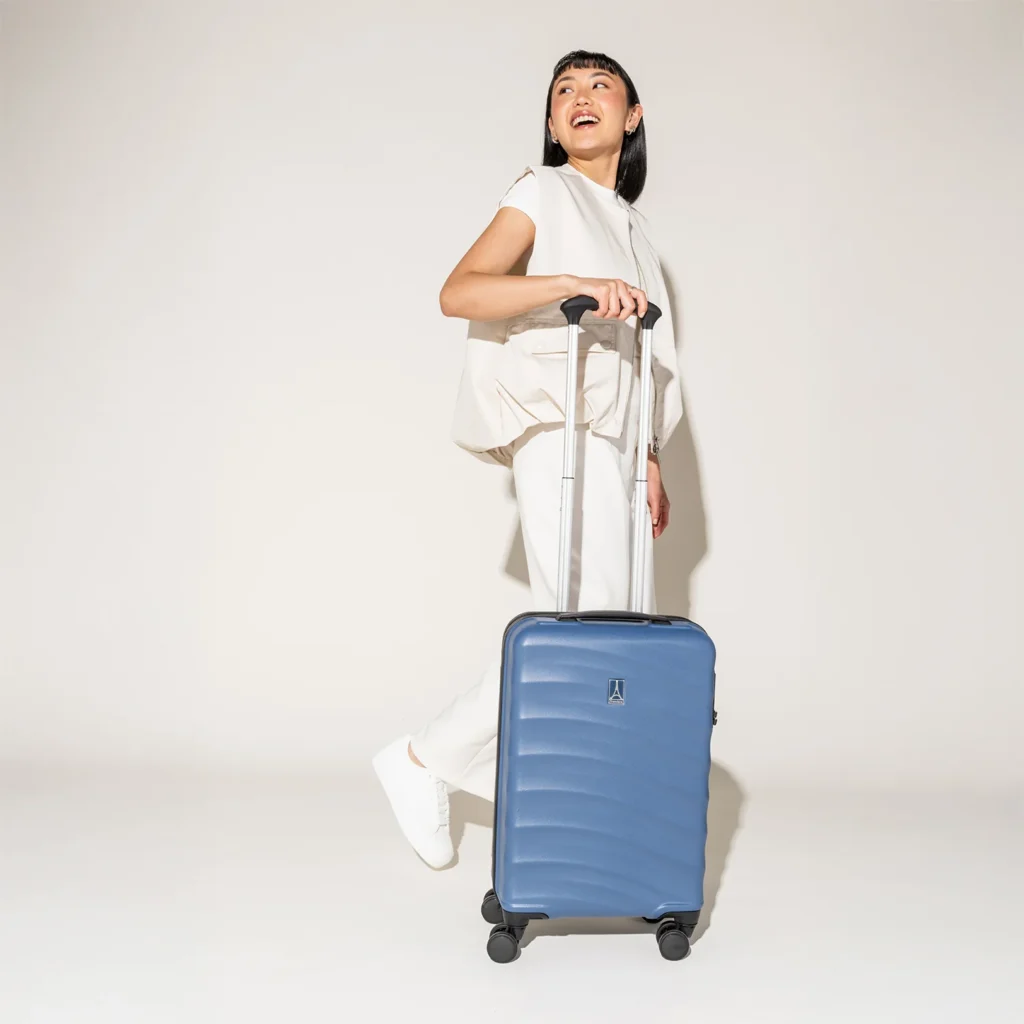
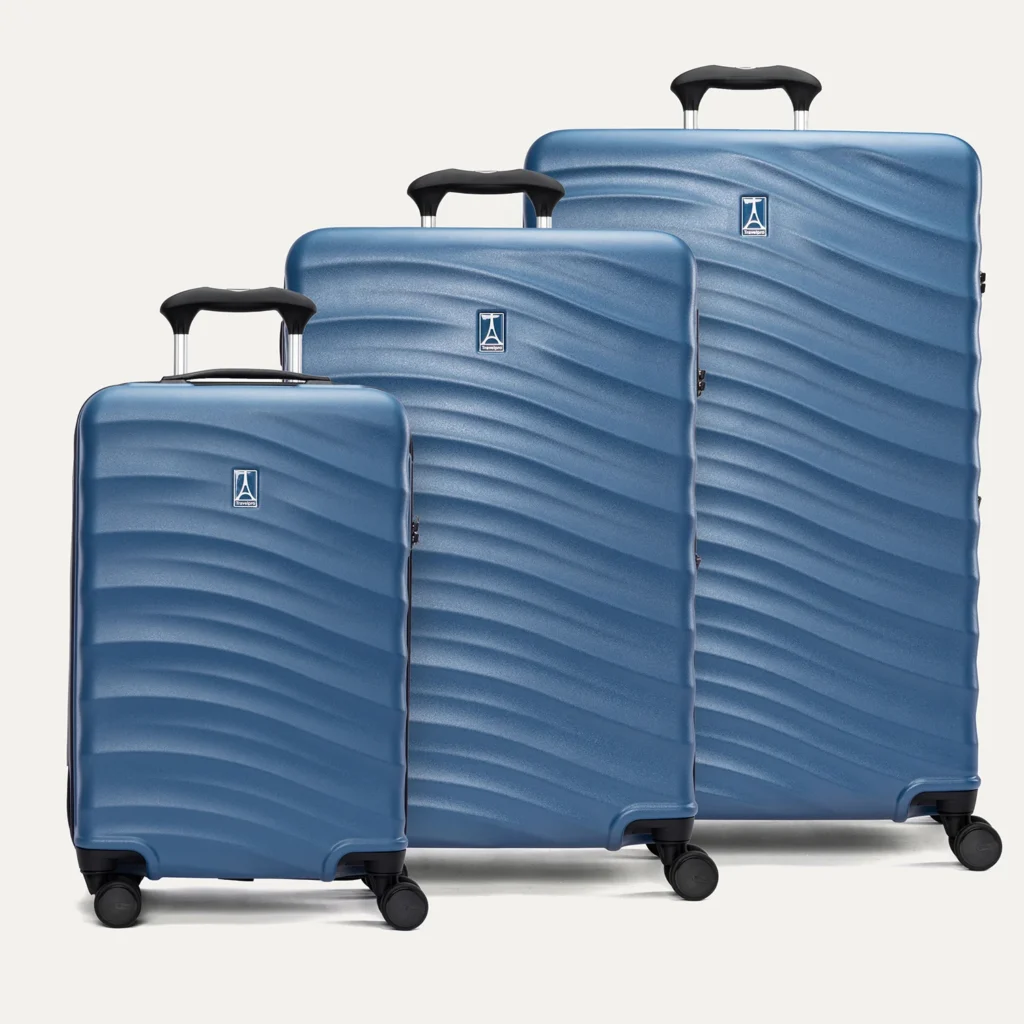
When every pound of your weight allowance counts, this is the bag that gives the most back. At 5.4 pounds for the 21-inch expandable spinner, it’s noticeably lighter than nearly everything else on this list, and the interior lining is made from recycled plastic bottles treated with moisture-resistant coating. I’ve used it on trips where I packed close to the limit, and the soft-side build never felt like it was straining under the weight.
The expandable zipper adds up to two extra inches of space, though a fully expanded Maxlite 5 can exceed some airlines’ strict size limits, so check before flying with it expanded on a budget carrier.
6. Best for Crowded Terminals: Samsonite Omni PC
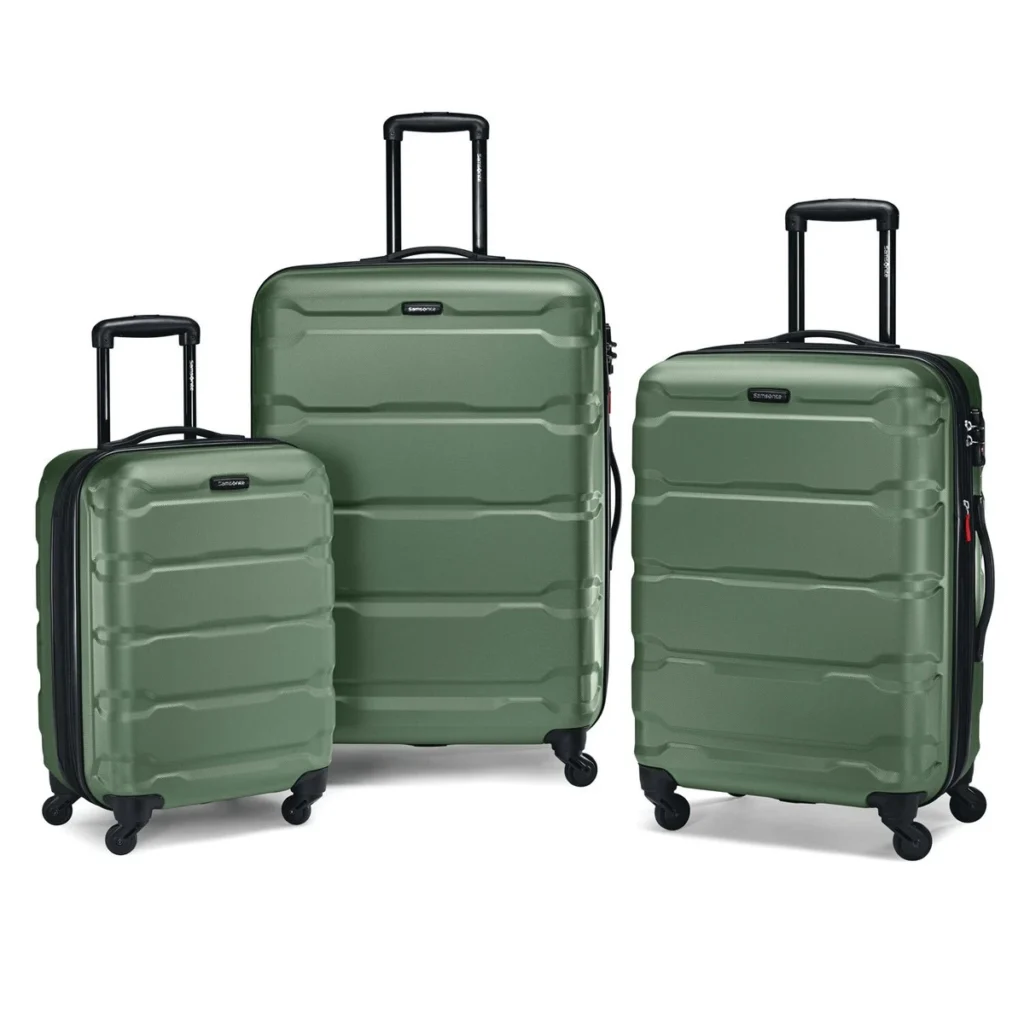
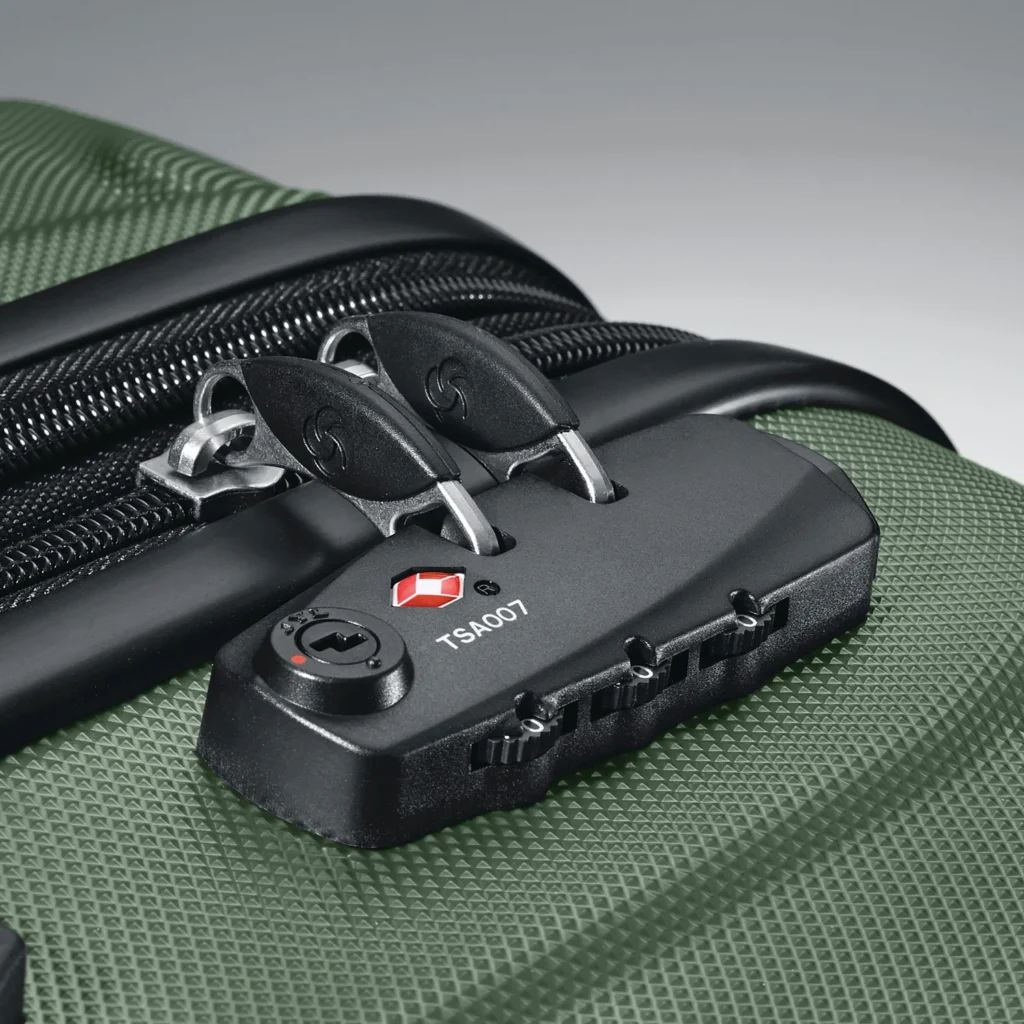
Wheel quality is where a lot of carry-ons quietly disappoint, and the Omni PC’s four-wheel spinner setup handles weaving through a packed terminal better than its low price suggests. The scratch-resistant micro-diamond polycarbonate shell still looks new after repeated trips, something I can’t say for every hardshell I’ve tested.
The tradeoff is wheel size. They’re some of the smallest diameter spinners I’ve used, which makes them less forgiving on uneven pavement or cobblestone streets outside the airport. Inside a terminal, though, they roll cleanly.
7. Best Carry-On Backpack: Peak Design Travel Backpack 45L
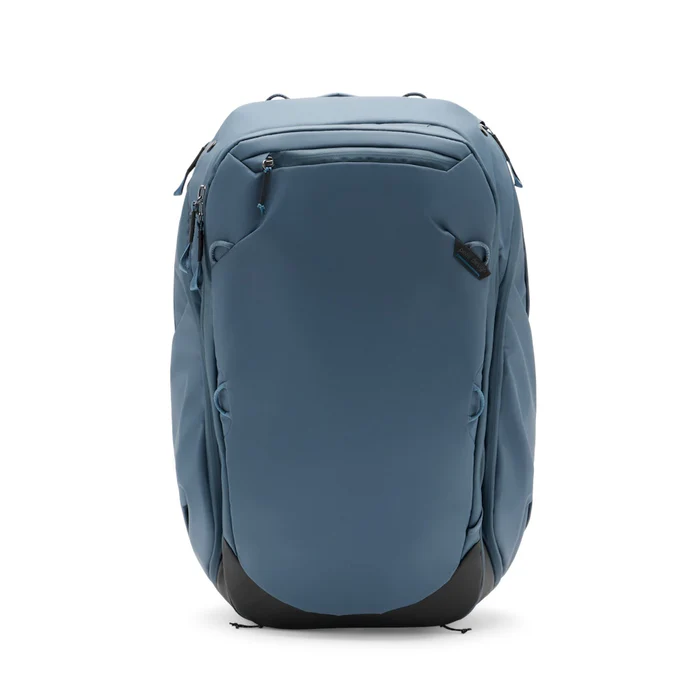
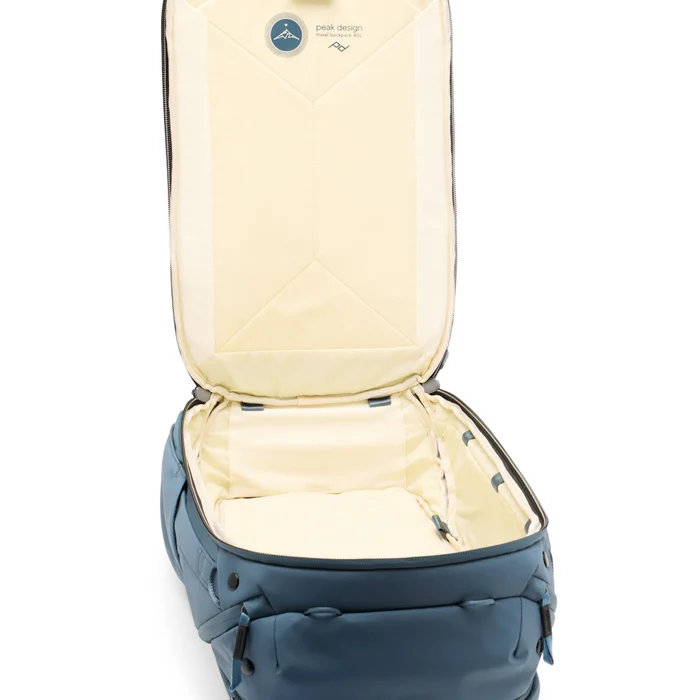
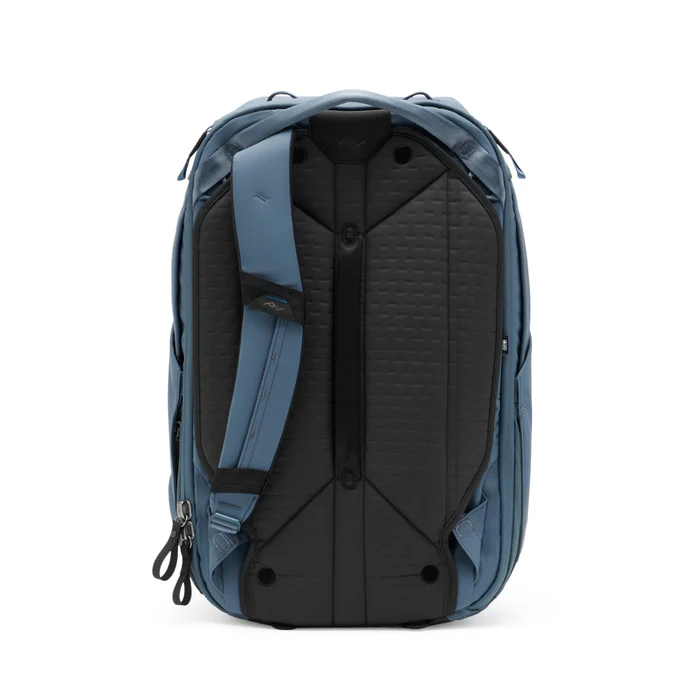
Not every trip calls for wheels, especially destinations with cobblestone streets or limited overhead bin space. This backpack expands from 35 to 45 liters depending on how it’s packed, with a clamshell opening that makes it far easier to access gear than a top-loading design. The 400D nylon canvas shell has survived overhead luggage racks, gravel parking lots, and one memorable incident involving a sudden downpour in Lisbon without a single issue.
It’s heavier than some competitors in its category, and the hip-strap hardware takes a few uses to get comfortable with. Once you adjust to it, the carry comfort on long walks between gates is hard to match with a wheeled bag.
8. Best Way to Actually Track Your Bag: Apple AirTag
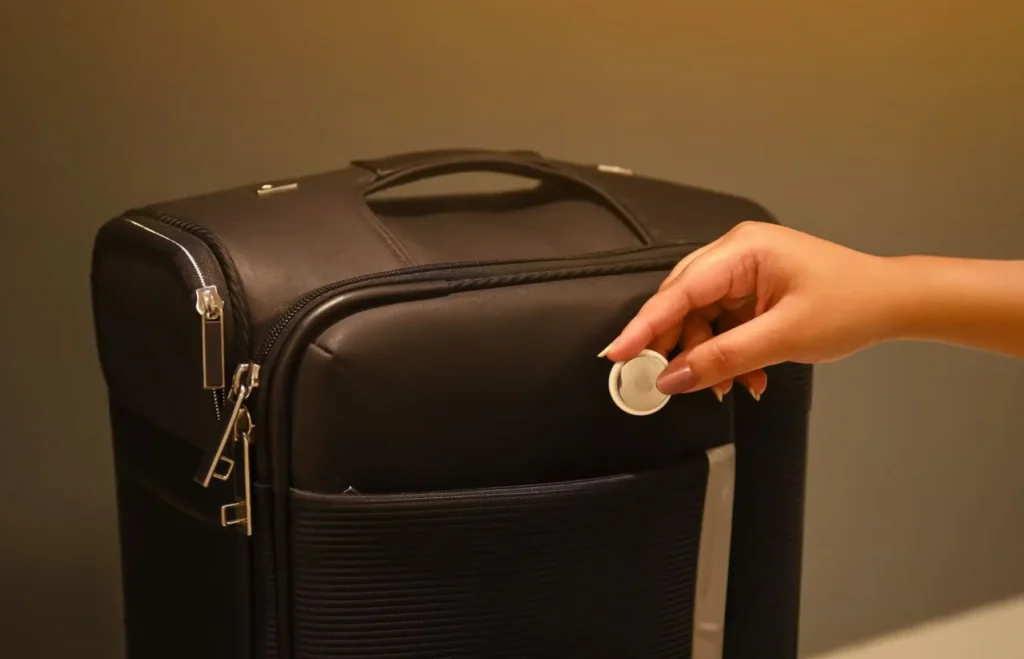
This isn’t a suitcase, and that’s the point. Given the airline policy shift mentioned earlier, the smarter move in 2026 isn’t buying a suitcase with a built-in GPS chip. It’s buying any well-built bag from this list and dropping a $29 AirTag into an interior pocket. It runs on a standard coin-cell battery, which keeps it compliant with FAA and IATA rules for both carry-on and checked luggage, and over three dozen airlines now support Apple’s Share Item Location feature, letting you hand a gate agent your bag’s live location if it goes missing during a connection.
I started doing this after a checked bag disappeared for two days in Doha. Now I know within minutes whether it actually made the connecting flight.
A Few Things Worth Checking Before You Buy
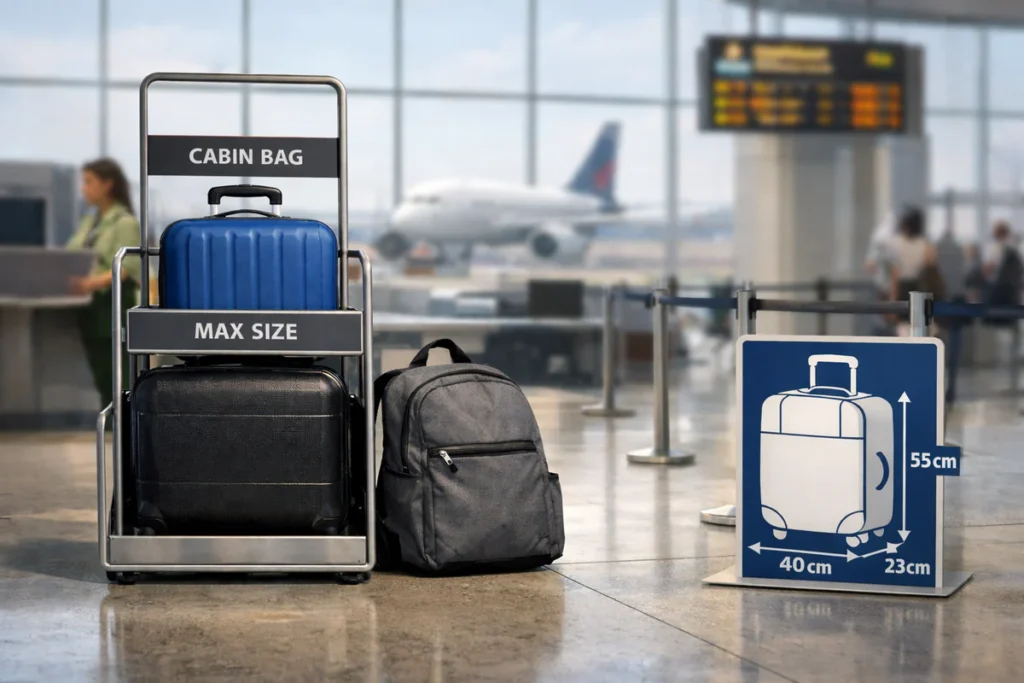
[IMAGE: Carry-on size checker / luggage sizer at an airport gate]
Airlines vary more than people expect when it comes to size limits, especially on international and budget carriers. A bag that fits perfectly on one airline might get flagged as oversized on another, so it’s worth checking the specific dimensions allowed on your route rather than assuming “carry-on size” means the same thing everywhere. Weight limits matter just as much. Even a perfectly sized suitcase becomes a problem if it eats up most of your weight allowance before you’ve packed anything inside it.
FAQ
What size counts as a standard carry-on?
Most US airlines allow around 22 x 14 x 9 inches including wheels and handles, though international and budget carriers often enforce smaller limits. Always check your specific airline before your trip.
Can I still buy luggage with a built-in battery in 2026?
You can, but check the battery first. American, Delta, and Southwest now require any built-in battery to be removable before the bag can be accepted as carry-on or checked. If the battery can’t be taken out, the bag can be denied at the gate.
Is hardshell or softshell better for carry-ons?
Hardshell offers more protection against rough handling and weather, while softshell tends to be lighter and slightly more flexible for tight overhead bins. Neither is universally better; it depends on how roughly your airline handles bags and how much you’re packing.
How long should a good carry-on last?
A well-built carry-on used regularly should last several years, often backed by a limited lifetime warranty. If a bag is falling apart within a year of normal use, that’s a sign of weak build quality rather than bad luck.
Finding the right carry-on isn’t about picking the most expensive option on the shelf. It’s about matching the bag to how you actually travel, whether that’s weekly business trips, occasional vacations, or long-haul flights where every detail of your packing makes a difference.