

Thailand wasn’t a country I originally expected to become so attached to. Before going, the plan was fairly simple: see Bangkok, spend some time around the beaches and eat as much good food as possible. What surprised me was how different each part of the country felt. Bangkok was busy and full of energy, Phuket had a more holiday-focused atmosphere, and Chiang Mai felt almost like another world.
That variety is what made the Thailand travel experience so memorable for me. One day could involve wandering around a temple and eating from a street stall, while a few days later I’d be on a boat heading towards an island with completely different scenery.
Planning the trip also taught me that a Thailand travel guide can only take you so far. The country is easy to get excited about, and it is tempting to put Bangkok, Phuket, Krabi, Chiang Mai and several islands into the same itinerary. I quickly realised that leaving some breathing room was a much better approach.
If you’re considering a Thailand vacation, there’s a good reason so many different types of travellers keep returning. You can make the trip luxurious, keep it relatively cheap, focus on beaches, explore temples or mix a bit of everything.
For me, Thailand’s biggest appeal is that it doesn’t force you to choose just one kind of holiday.
Why Should You Visit Thailand?
Thailand is worth considering for your next trip because it combines vibrant cities, tropical beaches, distinctive culture, excellent food and a wide choice of travel styles. You can explore Bangkok and its temples, relax around the southern islands, discover Chiang Mai’s mountain scenery and enjoy comfortable accommodation without needing an extravagant budget.
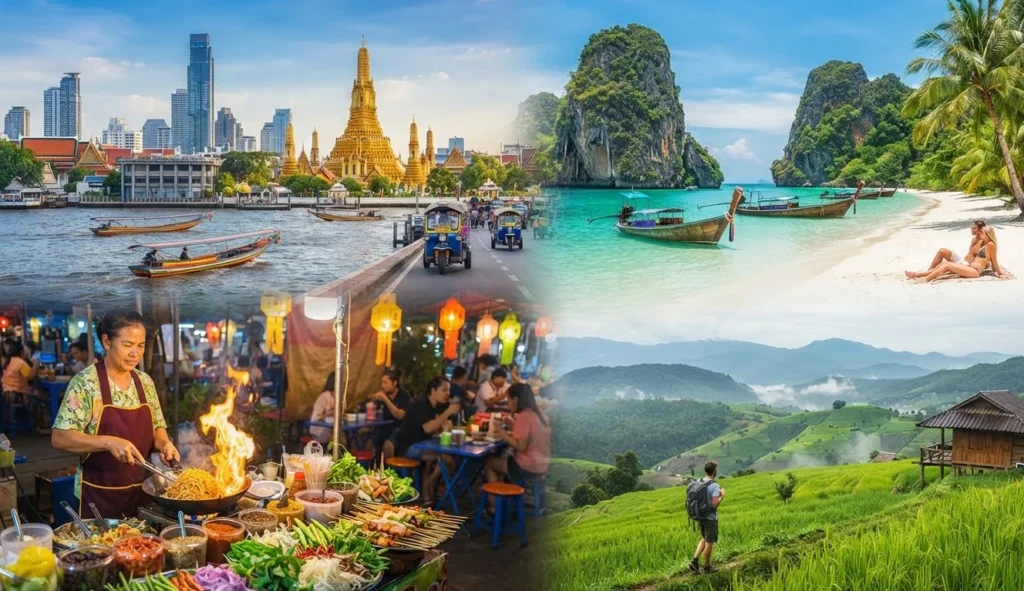
Table of Contents
- What Makes Thailand So Special?
- My Favourite Places I Visited in Thailand
- The Best Things to Do in Thailand
- Best Time to Visit Thailand
- Is Thailand Expensive?
- How I Got Around Thailand
- Bookaway Deals That Can Save You Money
- Where I Stayed in Thailand
- My Favourite Thai Foods
- Travel Tips I Wish I Knew Before Visiting Thailand
- Is Thailand Safe for Solo Travellers?
- My Suggested 7-Day Thailand Itinerary
- Frequently Asked Questions
- Final Thoughts
What Makes Thailand So Special?
Thailand manages to pack an impressive amount of variety into one destination. You can move from Bangkok’s crowded streets to quiet beaches, mountain towns and small food markets without feeling as though you’ve simply repeated the same holiday in a different location. That mix of scenery, culture, food and affordability is what makes the country particularly easy to recommend.
Beautiful Beaches
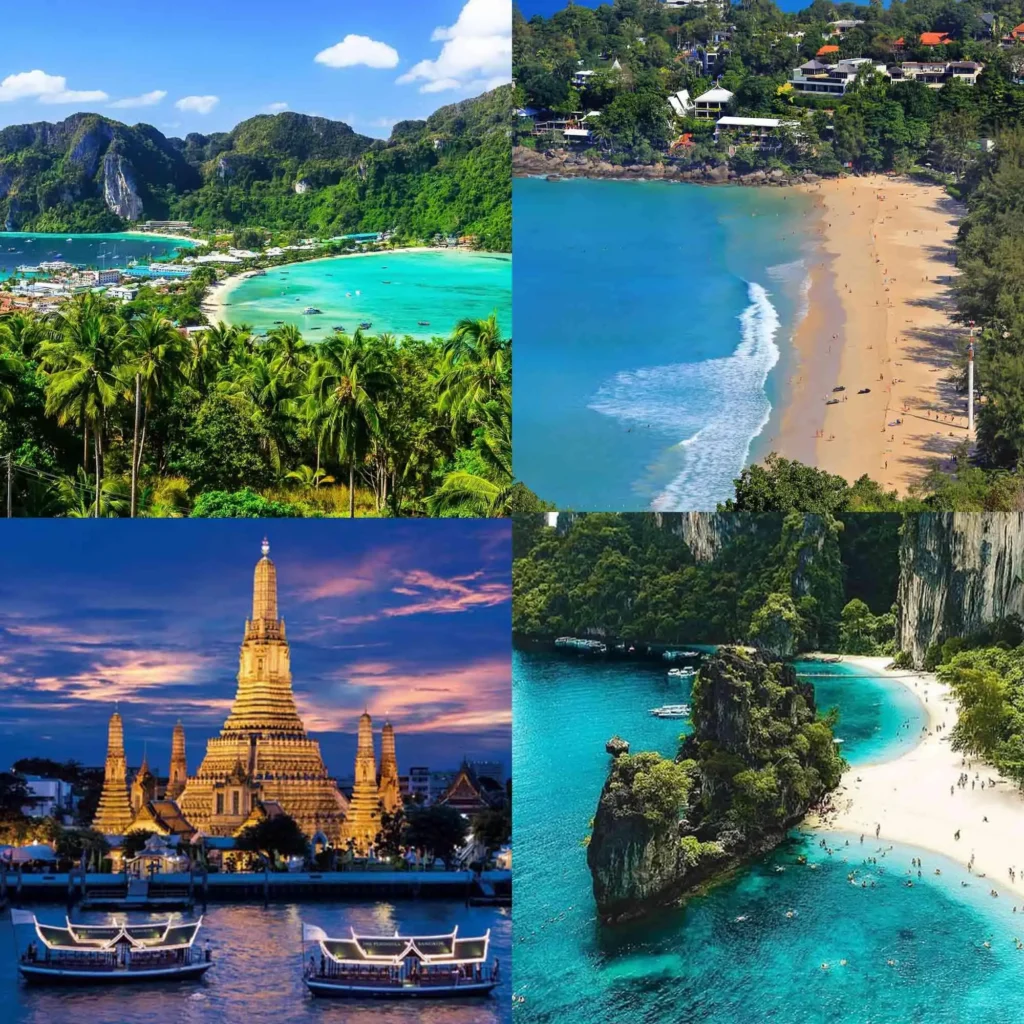
The beaches were one of the reasons I wanted to visit in the first place, but seeing them in person made the appeal much clearer. Phuket offers plenty of facilities and activities, while Krabi has dramatic limestone cliffs around its coastline. The islands add another option if you want quieter days spent swimming, snorkelling or simply doing very little.
Friendly Locals
Some of the nicest parts of travelling happened in small conversations rather than major attractions. Asking for directions, ordering food or getting help with transport often led to brief interactions that made unfamiliar places feel easier to navigate.
Rich Thai Culture
Thailand isn’t just a beach destination. Temples, markets and local traditions give the trip much more character. Bangkok’s Grand Palace and Wat Arun were obvious highlights for me, but some of the smaller cultural experiences were just as memorable.
Delicious Street Food
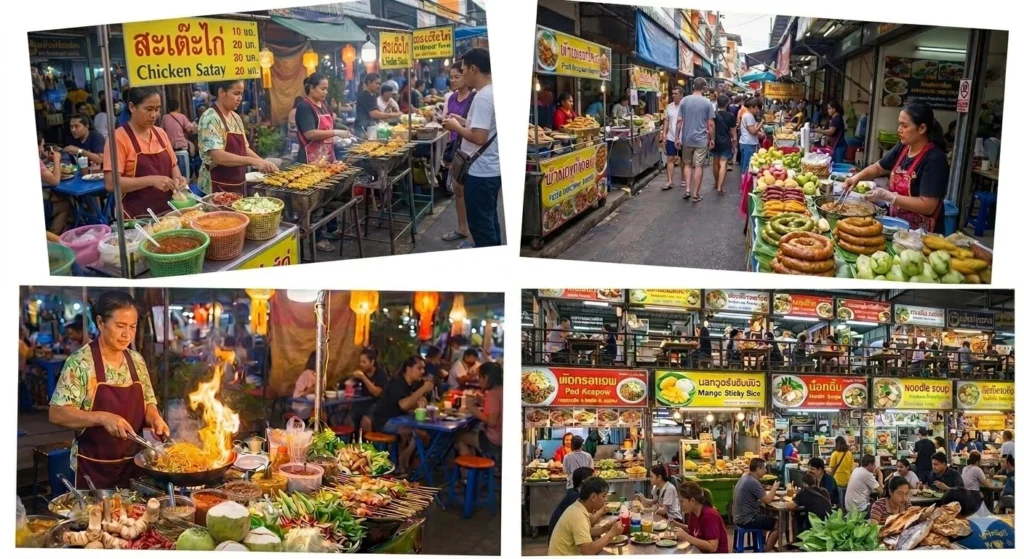
Food quickly became part of the sightseeing. Pad Thai, green curry, Tom Yum and mango sticky rice are obvious choices, but I’d encourage anyone visiting to try local stalls rather than sticking entirely to restaurants aimed at tourists.
Affordable Luxury
Thailand makes luxury travel feel more accessible than it does in many destinations. You can spend heavily on a beautiful resort or choose a comfortable mid-range hotel and keep more of the budget for food, tours and exploring.
Easy Transportation
Getting around was another pleasant surprise. Buses, ferries, speedboats, domestic flights and airport transfers give travellers plenty of options. When I was planning the route, comparing connections beforehand made the journey between cities and islands much less confusing.
My Favourite Places I Visited in Thailand
The places I enjoyed most weren’t necessarily the ones I expected to like. Bangkok was exciting and overwhelming at first, while Krabi and the islands gave me the slower pace I eventually wanted. Chiang Mai was another change altogether. If you’re planning a Thailand itinerary, I’d rather see fewer places properly than spend the whole holiday rushing between them.
Bangkok
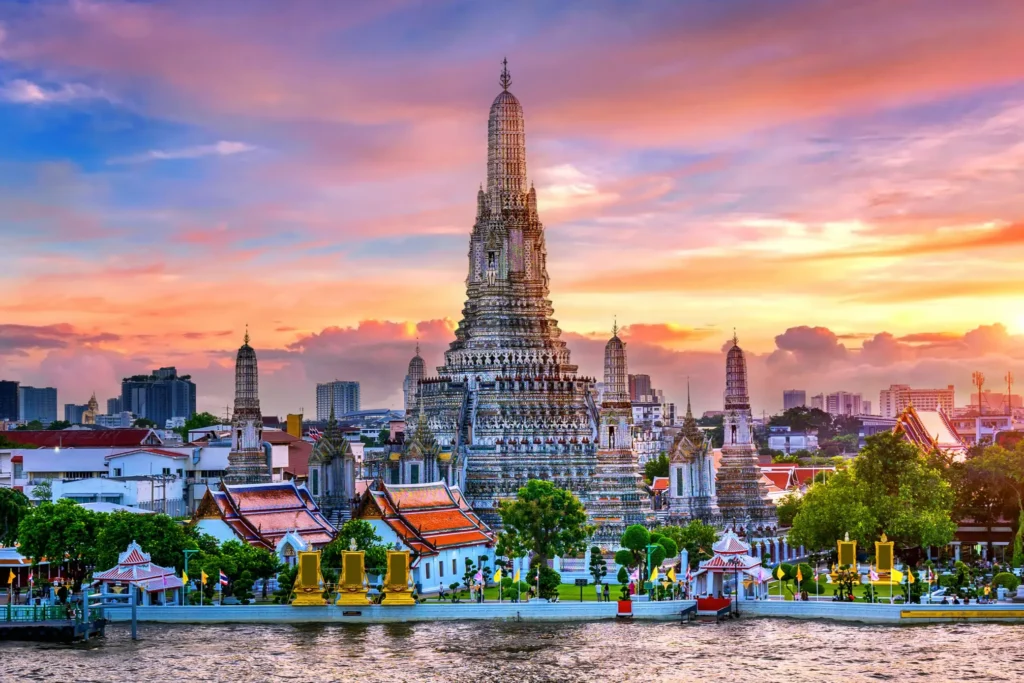
Bangkok was my first real taste of Thailand. The Grand Palace and Wat Arun were obvious stops, but I also enjoyed wandering around the markets and nearby streets. There’s a lot happening at once, so I found it easier to enjoy the city when I stopped trying to see everything.
Phuket
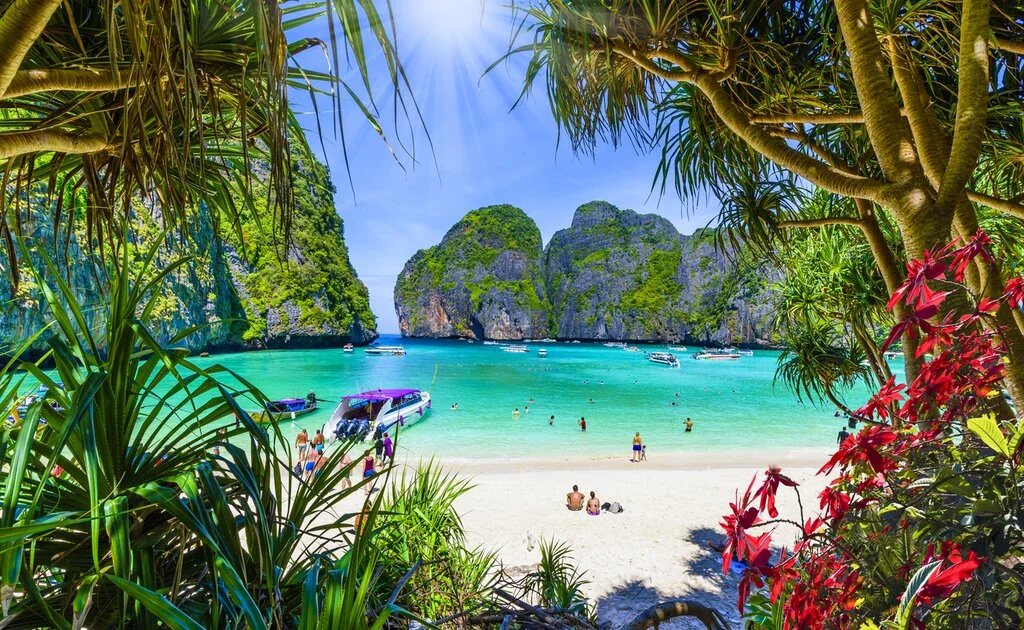
Phuket is a good choice if you want plenty of options in one destination. There are beaches, restaurants, nightlife and island tours, while Phuket Old Town offers something quite different from the coastal areas. It can be busy, but that variety is also what makes it convenient.
Krabi
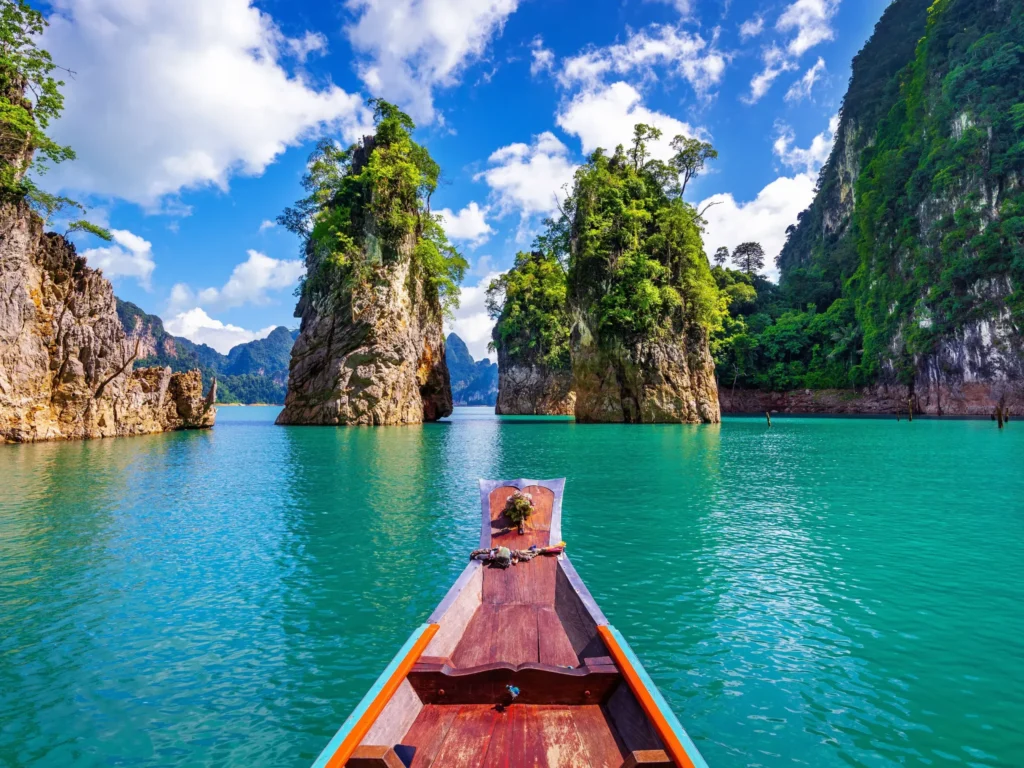
Krabi was probably the place where the scenery impressed me most. Railay Beach, surrounded by those huge limestone cliffs, looks completely different from the flatter beaches around other parts of Thailand. Boat tours are also an easy way to explore the coastline.
Koh Phi Phi
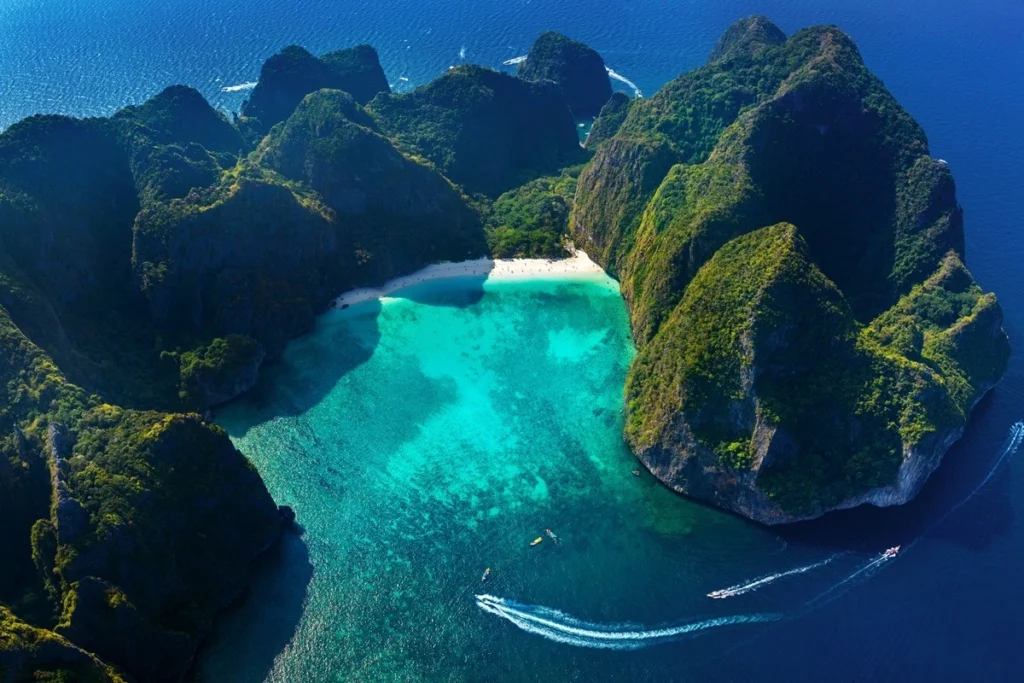
Phi Phi is famous for good reason. Snorkelling was one of my favourite experiences there, and the scenery around Maya Bay is genuinely impressive. The only thing I’d prepare for is crowds, particularly around the most famous spots.
Chiang Mai

Chiang Mai slowed the trip down for me. I enjoyed visiting temples, finding small cafés and looking towards the mountains outside the city. After the noise of Bangkok and the busier southern destinations, it was a welcome change of pace.
What Are the Best Things to Do in Thailand?
There are more things to do in Thailand than most first-time visitors can fit into one holiday. Rather than building an itinerary that leaves no spare time, I’d choose a few experiences that genuinely interest you and allow room for the unexpected.
- Visit temples and historic sites
- Try Thai street food
- Go island hopping
- Take a long-tail boat ride
- Enjoy a traditional Thai massage
- Visit a responsible elephant sanctuary
- Explore night markets
- Join a Thai cooking class
- Go snorkelling or scuba diving
- Try a rooftop bar in Bangkok
I wouldn’t worry about completing every activity on a list. Some of my favourite moments came from simply stopping for food or taking an unplanned walk.
What Is the Best Time to Visit Thailand?
For many travellers, November to February is the easiest period for a first visit because temperatures are generally more comfortable and many popular areas experience drier conditions. However, Thailand’s weather varies by region, so the ideal month depends on where you actually plan to go.
| Season | Weather | Best for |
| November–February | Cooler and generally drier | Sightseeing and beaches |
| March–May | Hot and humid | Beach holidays |
| June–October | Wetter in many regions | Flexible travel and fewer crowds |
I wouldn’t completely rule out the rainy season. A shower doesn’t necessarily mean a ruined day, and travelling outside the busiest period can sometimes make popular destinations feel more manageable.
Is Thailand Expensive?
Thailand can work for very different budgets. Local food, guesthouses and public transport can keep costs fairly low, while luxury resorts, private transfers and organised excursions can push spending much higher. The biggest difference usually comes from accommodation and how frequently you move between destinations.
| Travel style | Estimated daily cost |
| Budget | $30–50 |
| Mid-range | $60–120 |
| Luxury | $150+ |
Accommodation
Hostels and guesthouses are useful for keeping costs down, while mid-range hotels offer a comfortable balance. Luxury resorts are worth considering if the hotel itself is an important part of the holiday.
Food
Food doesn’t have to take up a large part of the budget. Street stalls and local restaurants can be remarkably good value, while international restaurants and resort dining naturally cost more.
Transport
Short local journeys can be inexpensive, but several flights, ferries or private transfers can add up quickly. This is one area where planning the route before travelling can make a noticeable difference.
Activities
Temples and markets can cost very little, whereas diving, private boat trips and organised island tours require more room in the budget.
Luxury Travel
Thailand is particularly good for travellers who want occasional luxury rather than paying premium prices every day. You could stay somewhere simple for most of the trip and spend more on a special resort for a few nights.
Budget Travel
If keeping costs low is the priority, I’d spend longer in each destination, eat locally and avoid changing islands every couple of days. Constant movement can quietly become one of the most expensive parts of a trip.
How I Got Around Thailand
Thailand’s transport network made travelling between cities and islands much easier than I expected. For longer distances, buses and domestic flights are useful, while ferries and speedboats connect many of the southern islands. Airport transfers can also save hassle when arriving with luggage, particularly after a long flight.
Before my trip, I used Bookaway to compare buses, ferries and airport transfers. Seeing the different departure times and routes together made it easier to decide whether saving money or saving time mattered more for each journey.
Some routes worth checking include:
- Bangkok → Phuket: Useful when heading south from the capital.
- Phuket → Krabi: A straightforward way to continue along the Andaman coast.
- Phuket → Phi Phi: Popular for island trips and short stays.
- Krabi → Koh Samui: A longer connection where comparing the full journey is particularly useful.
If you’re arranging your own route, I’d compare the options before travelling rather than leaving every connection until the last minute.
Compare buses, ferries and transfers with Bookaway
Bookaway Deals That Can Save You Money
Transport can become a surprisingly large part of a multi-stop Thailand trip, especially when you’re combining buses, ferries and transfers. Before booking, I’d check whether a current promotion applies to the route I’m actually taking rather than choosing a service simply because it has a discount.
| Offer | Details |
| 5% Off Sitewide | Code: RIGEETA5 |
| Up to 10% Off Bus Bookings | Selected bookings |
| Up to 10% Off Selected Routes | Selected services |
| Bangkok → Phuket from $28 | Selected routes |
| Thailand Ferry Deals | Selected routes and dates |
| Thailand Bus Deals | Selected routes and services |
| Malaysia Bus Tickets from $5 | Selected Southeast Asia routes |
The Malaysia offer is included because it can be useful for travellers combining Thailand with another Southeast Asian destination. For a Thailand-only trip, I’d focus mainly on the local bus and ferry promotions.
Prices and promotions can change, so I’d check the latest availability and terms before booking.
Check the latest Bookaway transport offers
Where I Stayed in Thailand
Accommodation in Thailand covers almost every budget, and I found that choosing the right location mattered more than simply picking the highest-rated property. A cheaper room close to restaurants and transport can be more useful than a beautiful hotel that leaves you spending money on taxis every day.
Luxury
Beachfront resorts in Phuket, Krabi and Koh Samui are ideal if accommodation is part of the experience. Private pools, sea views and resort facilities can make sense for a special trip.
Mid-range
This would be my first choice for most travellers. A comfortable hotel in a good location gives you somewhere pleasant to return to without swallowing the entire holiday budget.
Budget
Hostels and guesthouses are particularly useful for solo travellers and anyone who plans to spend most of the day exploring.
The stay I remember most wasn’t the most expensive one. It was simply somewhere convenient, comfortable and close enough to local restaurants that I could walk out for dinner rather than organising transport every evening.
My Favourite Thai Foods
Food deserves a proper place in any Thailand travel guide because eating well is one of the easiest ways to experience the country.
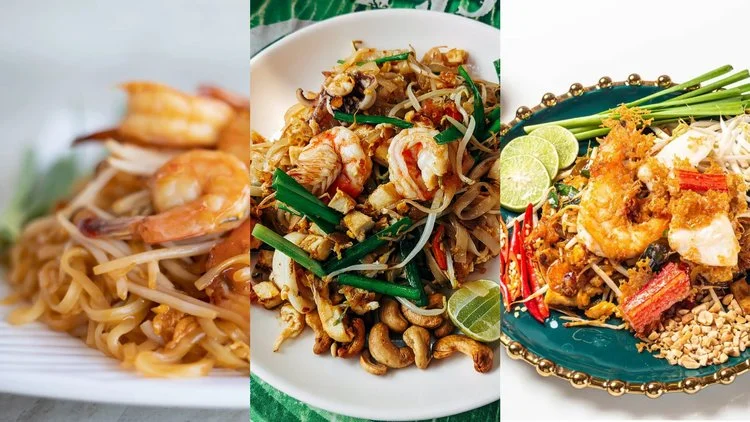
Pad Thai was an easy favourite when I wanted something familiar but still full of flavour.
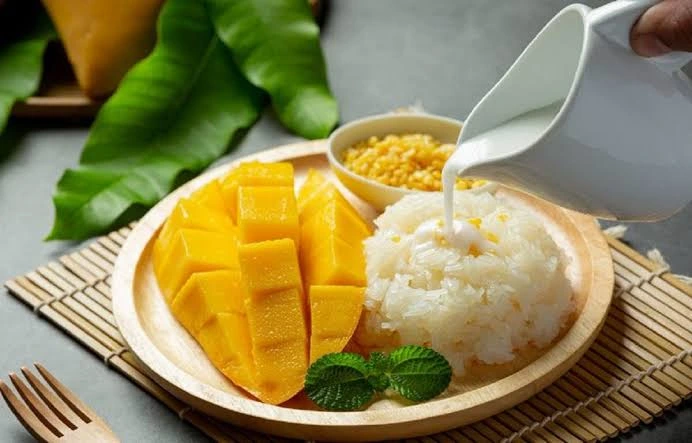
Mango sticky rice surprised me. The combination sounds simple, but the sweet mango with coconut-infused sticky rice makes a brilliant dessert.
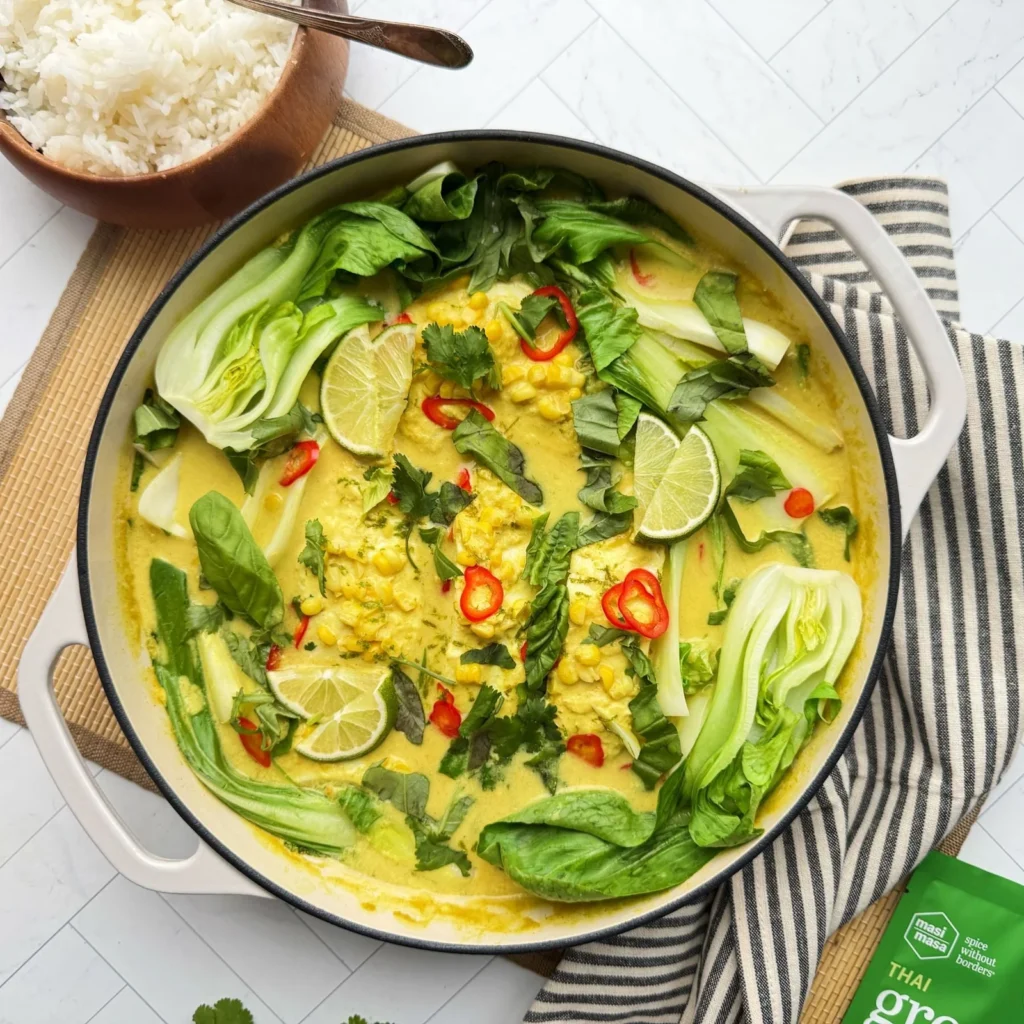
Green curry is richer and more fragrant than many versions served outside Thailand, particularly when paired with fresh rice.
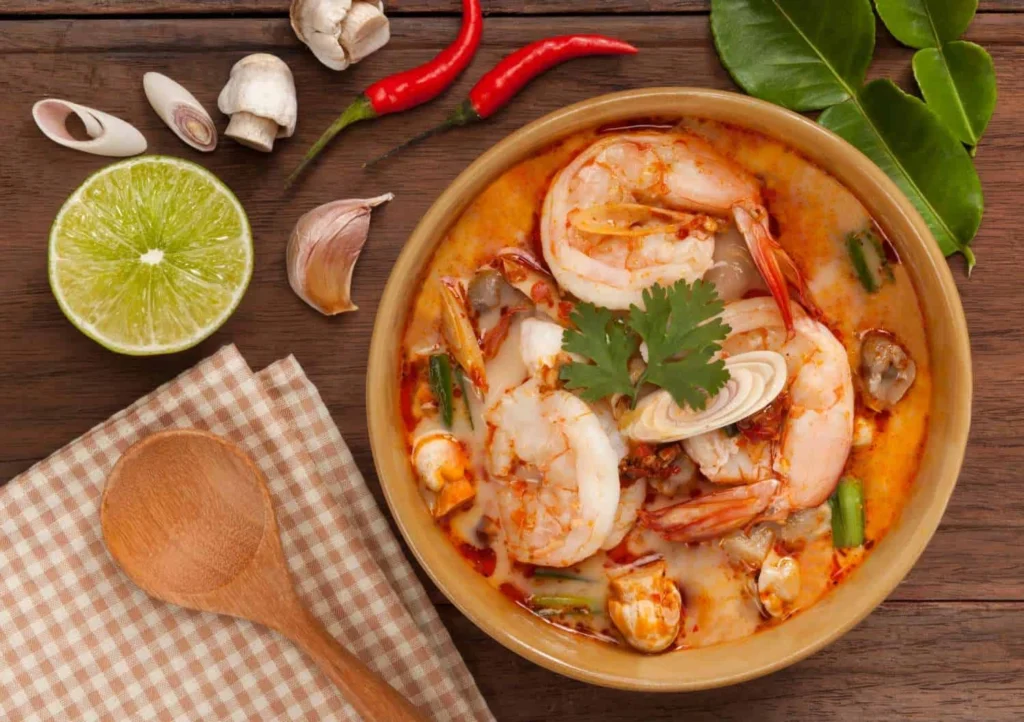
Tom Yum is the dish I’d recommend when you want something with a real kick. The sour, spicy flavour makes it difficult to forget.
And then there’s Thai tea. It’s sweet, creamy and probably not something I’d drink every day at home, but in Thailand it somehow feels exactly right.
I’d also leave room for street food. Some of my best meals came from small stalls where the setting was basic but the food was anything but.
Travel Tips I Wish I Knew Before Visiting Thailand
A little preparation makes a noticeable difference in Thailand. I wouldn’t recommend planning every minute, but sorting out the practical basics before leaving means you can spend more time enjoying the trip once you’re there.
- Currency: Keep some Thai baht for markets, street food and smaller businesses.
- SIM/eSIM: Mobile data is useful for maps, translation and checking transport.
- Safety: Keep valuables secure, particularly in crowded tourist areas.
- Dress code: Cover shoulders and knees when visiting temples and other religious sites.
- Cash: Don’t rely entirely on cards, as smaller businesses may only accept cash.
- ATMs: Check your bank’s international withdrawal fees before travelling.
- Scams: Be cautious with unusually cheap tours, taxis or attraction offers.
- Weather: Check the forecast for each region rather than assuming the whole country has identical conditions.
- Transport: Leave some extra time around ferry and bus connections.
- Insurance: Good travel insurance is worth having, particularly if you’re planning activities such as diving or trekking.
For destination inspiration and practical information, I also found it useful to browse this Thailand travel guide before finalising the route.
For official information, the Tourism Authority of Thailand is a useful source for destinations and attractions. I’d also check the latest immigration requirements and local weather information before departure.
Is Thailand Safe for Solo Travellers?
Thailand can be a comfortable destination for solo travellers, particularly around the main tourist areas, but sensible precautions still matter. I found the combination of accessible transport, plentiful accommodation and busy public areas reassuring, although I’d never treat that as a reason to switch off completely.
For solo travellers, I’d suggest keeping someone informed about longer journeys, choosing reputable transport, being sensible around nightlife and taking extra care in unfamiliar or remote areas.
For women travelling alone, the same general precautions apply. I wouldn’t let safety concerns put me off visiting, but I’d still avoid accepting random offers of transport or leaving drinks unattended.
My Suggested 7-Day Thailand Itinerary
Seven days isn’t enough to see everything, so I’d keep the route focused. Trying to squeeze every famous destination into one week usually means spending more time checking out of hotels than actually enjoying Thailand.
Day 1 – Bangkok:
Arrive, settle in and explore the surrounding area. I’d keep the first day fairly light after the journey.
Day 2 – Bangkok:
Visit the Grand Palace and Wat Arun, then spend some time around the markets and local streets.
Day 3 – Phuket:
Travel south and spend the afternoon exploring Phuket. Depending on your arrival time, choose either the beach or Old Town.
Day 4 – Phi Phi:
Take an island trip, with time for snorkelling and the surrounding scenery.
Day 5 – Krabi:
Travel onwards to Krabi and enjoy a slower evening near the coast.
Day 6 – Railay Beach:
Spend the day around Railay and consider a boat trip if the weather is suitable.
Day 7 – Return:
Keep the final day flexible around your departure time rather than adding another major attraction.
If you want to compare the Bangkok–Koh Samui route separately, this transport guide can also help when planning a longer itinerary.
Final Thoughts
Thailand ended up being much more than a beach destination for me. Bangkok’s energy, Chiang Mai’s slower pace, the southern islands and the food all gave the trip a different character, which is probably why the country stayed in my mind long after returning home.
There were busy days, long journeys and moments when plans needed changing, but that is part of travelling. The important thing was having enough structure to know where I was going without planning away all the spontaneity.
If I could give one practical tip, I’d sort the important transport connections before arriving. Comparing buses, ferries and transfers through Bookaway made moving between destinations much easier and meant less time worrying about logistics.
If you’re still deciding where your next trip should take you, Thailand would be very high on my list. It gives you enough variety to build the holiday you actually want rather than forcing you into one particular style of travel.
For more destination ideas,explore more travel guides on this site.